Tuesday, 30 July 2013

Ποιά εἶναι ἡ οὐσία τῆς Ὀρθοδόξου Παραδόσεώς μας;


 Πατερική Θεολογία
 Πρωτοπρ. Ιωάννου Σ. Ρωμανίδου (+)
Καθηγητού Πανεπιστημίου
Επιμέλεια – Σχόλια: Μοναχού Δαμασκηνού Αγιορείτου
Στοιχεία Ορθοδόξου ανθρωπολογίας και Θεολογίας

Ποιά εἶναι ἡ οὐσία τῆς Ὀρθοδόξου Παραδόσεώς μας


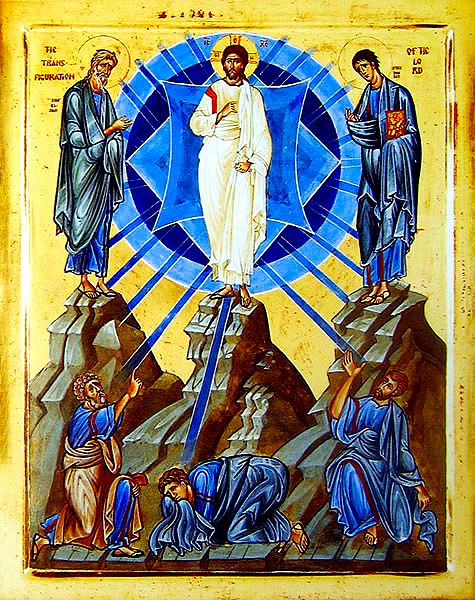
Το θέμα τώρα είναι ποια είναι η ουσία της Ορθοδόξου Παραδόσεως. Η Ορθόδοξη παράδοσι προσφέρει μέθοδο θεραπείας του νοός του ανθρώπου, δηλαδή της ψυχής του. Η θεραπεία αυτή έχει δύο φάσεις, όπως είπαμε, τον φωτισμό και την θέωσι. Η θέωσις, δηλαδή η θεοπτία, είναι η εγγύησις της θεραπείας, της πλήρους θεραπείας. Αυτή η θεραπευτική μέθοδος, η θεραπευτική αγωγή, που προσφέρει η Ορθόδοξος παράδοσις, παραδίδεται (εξ ου και παράδοσις) από γενεά σε γενεά με φορείς ανθρώπους, οι οποίοι έφτασαν στον φωτισμό και στην θέωσι και έγιναν θεραπευτές για τους άλλους. Δεν είναι δηλαδή απλή μεταβίβασις γνώσεων από τα βιβλία, αλλά μεταβίβασις και διαδοχή εμπειρίας, της εμπειρίας του φωτισμού και της εμπειρίας της θεώσεως.Παρατηρείται όμως στην Παλαιά Διαθήκη ότι κατάστασι φωτισμού και θεώσεως είχαν μόνο οι Πατριάρχες και οι Προφήτες των Ισραηλιτών. Αυτό είναι ιστορικό φαινόμενο. Πριν από τους Προφήτες έχομε τους Πατριάρχες. Προ του Μωϋσέως έχομε τον Αβραάμ. Διαβάζομε όμως στην Παλαιά Διαθήκη ότι μέχρι τον Αβραάμ υπάρχει συνείδησις της καταστάσεως του φωτισμού και της θεώσεως. Ο ίδιος ο Αβραάμ ήταν θεόπτης, δηλαδή έφθασε σε θέωσι. Αυτό φαίνεται σαφώς. Για την εποχή προ του Αβραάμ πάλι έχομε στοιχεία από την Εβραϊκή Παράδοσι ότι φωτισμός και θέωσις υπήρχαν και στους προπάτορες του Αβραάμ, παραδείγματος χάριν στον Νώε. Η παράδοσις αυτή, του φωτισμού δηλαδή και της θεώσεως, μεταβιβάζεται. Δεν εμφανίζεται έτσι εκ του μηδενός. Δεν εμφανίζεται ξαφνικά τον 11ο ή 12ο π.Χ. αιώνα.

Υπάρχει Καινή Διαθήκη, υπάρχει και Παλαιά Διαθήκη. Στην Καινή Διαθήκη είναι πιο εύκολος ο έλεγχος, διότι είναι περιωρισμένος ο χρόνος διαρκείας της. Η Παλαιά Διαθήκη όμως περιλαμβάνει 1500 χρόνια ιστορίας. Μέσα τώρα σ' αυτήν την περίοδο έχομε μία σπονδυλική στήλη. Αυτή η σπονδυλική στήλη, που είναι η παράδοσις του φωτισμού και της θεώσεως που μεταβιβάσθηκε από Προφήτη σε Προφήτη, είναι και η ουσία της Ορθοδόξου παραδόσεως: Η μεταβίβασις της εμπειρίας του φωτισμού και της θεώσεως από γενεά σε γενεά. Αυτή εκτείνεται στην Παλαιά Διαθήκη χρονικά από τον Αβραάμ μέχρι τον Ιωάννη τον Πρόδρομο. Αυτή είναι η Προφητική παράδοσις, η παράδοσις των Πατριαρχών και των Προφητών.

Αλλά και πριν από αυτήν την περίοδο έχομε την πρώτη περίοδο, που εκτείνεται από τον Αδάμ, μέσω του Νώε, μέχρι τον Αβραάμ. Σήμερα έχει διαπιστωθή αρχαιολογικά η αλήθεια των αναφερομένων ιστορικών γεγονότων στην Παλαιά Διαθήκη τουλάχιστον μέχρι την εποχή του Μωϋσέως. Και σήμερα δεν υπάρχει κανείς, που να αμφισβητή την Παλαιά Διαθήκη ως κείμενο μεγάλης ιστορικής αξίας. Αλλά και πριν από τον Μωϋσέα μέχρι την εποχή του Αβραάμ έχουν βρη οι αρχαιολόγοι στοιχεία, που επαληθεύουν τα αναφερόμενα στην Παλαιά Διαθήκη γύρω από το πρόσωπο του Αβραάμ.

Βλέπομε λοιπόν ότι η ουσία της Ορθοδόξου παραδόσεως δεν είναι το βιβλίο της Αγίας Γραφής, αλλά είναι η μεταβίβασις αυτής της εμπειρίας, του φωτισμού και της θεώσεως διαδοχικά από τον Αδάμ μέχρι των ημερών μας.

Πηγή:http://www.oodegr.com/oode/biblia/pateriki_theologia/9.htm

Elder Ephraim Kyriakos-Man was created for love


“And God saw that it was good.” Man was created free for the sake of love. He is the link between the Creator and creation. His feet are on the earth and his thought is directed toward heaven. He is body and spirit, manifest and hidden.

Saint Irenaeus says, “God created man so that He could offer him wondrous gifts.” Creation is an act of love from one side, for the sake of communion, exchange, and affection. This initiative invites acceptance or rejection.

Man was created, then, in order to participate in divine love. Contemporary civilization refuses communion with God because it uses creation without reference to the Creator, which causes contemporary man to reject the other.

Rejecting immortality causes man to search for his happiness through earthly possessions. His sin is that he is mistaken about the goal: this is the source of human tragedy.

When man opens his heart to God, the uncreated divine energies grip him from within and change his being without altering his nature, like iron heated in fire, becoming red-hot and glowing: an image of divinization. Man accepts communion with God without becoming a god by nature.

The Christian East always looked to creation for contemplation and giving praise.

The Christian West preferred to consume it. This is a summary of the history of science.

The West, starting in the second millennium, directed itself towards technological activity that caused it to long for “the created rather instead of the Creator.”

“How great are your works, O Lord. In wisdom You made them all.”

From the start, man possesses not only bodily eyes but also spiritual eyes that help him to understand the meanings of the symbols in God’s creation.

All this does not negate the importance of matter, the material of nature, but it causes us to look at it from a different perspective and to deal with it from this perspective.

God is always present in all creation. “Everywhere present and filling all things.” Contemporary scientists have learned, through the examination of particles, that all things are connected to each other.

Man is a microcosm. He is a bridge between earth and heaven, a message of love. Love alone leads to freedom. If man is united, he is able to unite creation, since he leads creation to its creator. He does this through his giving thanks for the blessings he enjoys. With humility he recognizes the Creator’s generous giving.

If a person enjoys this giving thanks and this humility, he comes to be in the image of Christ, the priest of creation, offering everything to God, including the natural environment. In return, God gives him joy and holiness: “Your own of Your own, we offer to you on behalf of all and for all.”

Monday, 29 July 2013

Μία πνευματική ἐμπειρία σέ ἕνα σουβλατζίδικο!


Ανεξίτηλα εντυπωμένη θα  μείνει στην ψυχή μου μία χαριτωμένη και θαυμαστή διήγηση που μου είχε αναφέρει μετά απορίας και δέους ένα νέο και υπερβολικά απλό παιδί ο Κώστας (αγνός πατριώτης τότε, πιστεύω και τώρα, έχω αρκετό χρόνο να τον δώ), πριν καιρό.

Βασανίστηκα αρκετά εδώ και πολλά χρόνια αν θα έπρεπε να την δημοσιεύσω αφού αποτελεί αφ’ενός πολύ προσωπική εμπειρία Χάριτος αλλά και φοβούμενος μήπως κάποιοι παρεξηγήσουν και χλευάσουν το αναφερόμενο γεγονός. Τελικά όμως αποσιωπώντας το επώνυμο του Κώστα τολμώ να  αναφέρω ότι έζησε αυτός ο νέος και ο καθένας ας πεί ότι θέλει.

Ένα απόγευμα, εντός της Μεγάλης Τεσσαρακοστής και ενώ είχα αποτελέψει το Απόδειπνο ήρθε ο Κώστας για να με χαιρετίσει. Μόλις είχε τελειώσει την δουλειά από ένα κατάστημα κοντά στην Εκκλησία που δούλευε.
-  Πάτερ καλησπέρα, συγνώμη που σας κουράζω αλλά θέλω να μου λύσετε μία απορία.
- Τί ακριβώς;
-  Να ! χθές το απόγευμα  είχα πάει στο σουβλατζίδικο του …. για να φάω νηστίσιμο- ορφανό  όπως τον λένε -γύρο (περιέχει μόνο νηστήσιμα προϊόντα) .
Έκατσα σε ένα τραπέζι μέσα στο σουβλατζίδικο. Μου αρέσουν πολύ τα σουβλάκια αλλά αφού είναι Σαρακοστή δεν μου κάνει καρδιά να αρτυθώ και αφού έτρωγα το ορφανό, ξάφνου μία παράξενη και πρωτόγνωρη δύναμις ένιωσα να με αγκαλιάζει.  Αμέσως στα καλά καθούμενα, χωρίς κάτι εξωτερικά να με επηρεάζει, μία Θεϊκή γαλήνη με σκέπασε  και μου γλύκαινε την ψυχή.
Τέτοια ειρήνη δεν ξαναένοιωσα ποτές μου. Άρχισαν να τρέχουν τότε δάκρυα από τα μάτια μου…δεν μπορούσα να τα κρύψω, και τότε ένοιωσα, σαν μικρό παιδί, να αγαπάω  όλο τον κόσμο.
Σαν να είχα ξαναγεννηθεί…Τέτοιο πράγμα δεν μου ξανασυνέβει στην ζωή μου. Σκέτος Παράδεισος!
Μα μήπως πλανεύομαι Πάτερ; Εγώ δεν γνωρίζω και πολλά γράμματα.  Μεροκαματιάρης είμαι. Εσείς που ξέρετε καλύτερα για πέστε μου, ήταν καλό ή κακό αυτό που έπαθα;

Έμεινα άφωνος. Δεν ήξερα  τι να του απαντήσω!
Πόσο ‘σκανδαλωδώς’ συμπεριφέρεται ο Θεός! Πράγματα που πολλοί γραμματιζούμενοι κάνουν δεκαετίες, και αν, να τα νοιώσουν αυτός ο τρισμακάριος Κώστας με την μακαρία απλότητα κατάφερε να τα βιώσει (Εμπειρία Θείας Χάριτος) μέσα σε ένα απλό σουβλαντζίδικο της γειτονιάς.

-  Τί να σου πω παιδάκι μου; κατάφερα να ψελλίσω. Είδε ο Θεός την θυσία που έκανες, μέσα στην φωλιά του λύκου και των οσμών να δώσεις μαρτυρία πίστης και νηστείας, και φαίνεται συγκινήθηκε. Γι’ αυτό και σου έστειλε ένα χάδι για να το θυμάσαι σε όλη σου την ζωή.
«Τό Πνεύμα όπου θέλει πνεὶ»

Μα αυτός ο ευλογημένος δεν κατάλαβε τί εννοούσα.
Μεροκαματιάρης άνθρωπος …
Μακάριοι οι πτωχοί τω πνεύματι! (Ματθ., ε΄, 3)

Ένας απλός ιερέας

ST. PETER OF DAMASKOS -ON COURAGE

 ST. PETER OF DAMASKOS

Courage does not consist in defeating and oppressing one's neighbor, for this is overbearingness, which oversteps the bounds of courage. Nor again does it consist in fleeing terrified from the trials that come as a result of practicing the virtues; for this is cowardice and falls short of courage. Courage itself consists in persisting in every good work and in overcoming the passions of soul and body. For our struggle is not against flesh and blood, that is, against men, as was the case with the Jews of old, where to conquer other nations was to do the work of God; it is against principalities and powers, that is, against the unseen demons (Ephesians 6:12). He who is victorious conquers spiritually; otherwise he is conquered by the passions. The warfare described in the Old Testament prefigures our spiritual warfare.
These two passions of overbearingness and cowardice, though they appear to be opposites, are both caused by weakness. Overbearingness pulls one upwards and is outwardly something startling and frightening, like some powerless bear, while cowardice flees like a chased dog. No one who suffers from either of these two passions puts his trust in the Lord, and therefore he cannot stand firm in battle, whether he is overbearing or cowardly. But the righteous man is as bold as a lion (Proverbs 28:1) in Christ Jesus our Lord, to whom be glory and dominion throughout the ages. Amen. 

from G.E.H. Palmer, Philip Sherrard, and Kallistos Ware, trans., The Philokalia -- vol. III, (London: Faber and Faber, 1984), pp. 258.

Sunday, 28 July 2013

«Οι άνδρες αγαπάτε τας γυναίκας εαυτών».

 
Στη συζυγία η αγάπη επιβάλλεται και για ένα ακόμη λόγο, ας πούμε καλύτερα από κάποια ιδιαιτερότητα. Αυτός είναι η φύση της γυναίκας, που αποδεικνύεται ότι είναι γέννημα και προϊόν αγάπης (δημιουργήθηκε από την πλευρά του Αδάμ που ήταν κοντά στο μέρος της καρδιάς) και επομένως δεν ισορροπεί, όταν τη στερείται. Η ίδια πηγάζει αγάπη μέσω της μητρότητάς της και δίκαια απαιτεί να αγαπάται, αφού και η ίδια κατά φύση και θέση αγαπά.
         
Η ιστορία και τα πράγματα μαρτυρούν ότι αν οι σύζυγοι θέλουν να πετύχουν την αρμονία και την ομαλότητα μεταξύ τους, πρέπει να υπάρχει μόνιμα μεταξύ τους η αγάπη. Ειδικά όμως του άνδρα προς τη γυναίκα του. Αυτό ακριβώς έκανε και ο Χριστός προς την Εκκλησία του. Παρέδωσε τον εαυτό του για να την καταστήσει ένδοξη.
        
Ο άγιος Ιωάννης ο Χρυσόστομος, αυτός ο μέγιστος ιεράρχης, προκαλεί τον άνδρα να μην κουράζεται να δείχνει στη σύζυγό του την αγάπη του και ότι όλη η θέληση και η προσπάθεια του είναι η ευτυχία της.         
Αυτό, δυστυχώς, πολύ απουσιάζει σήμερα και τα αποτελέσματα είναι απελπιστικά. Η σημασία και η φύση της συζυγίας παραχαράχθηκε από την επίδραση του ευρωπαϊκού κυκεώνα, που τίποτε δε σεβάστηκε από την ανθρώπινη προσωπικότητα και τις πνευματικές και ηθικές αξίες, που οι προγονοί μας με αυτοθυσία κράτησαν.
Επειδή η αύξηση των ανθρώπων γίνεται με τη νόμιμη συζυγία με λύσσα ο αδίστακτος εχθρός του άνθρωπου, ο διάβολος, προσπαθεί να διαλύσει τα ήθη και να καταλύσει το δεσμό της αγάπης και της ενότητας. Το τόσο σοβαρό θέμα του γάμου δεν πρέπει να παραμεληθεί με τις παραχαράξεις του ένοχου και ανώμαλου βίου για να μην ακούσουμε και εμείς, όπως οι παλαιοί αποστάτες των ηθικών αξιών, που αποκήρυξε ο Θεός: «ου μη καταμείνει το πνεύμα μου εν τοις ανθρώποις τούτοις διά το είναι αυτούς σάρκας» (Γέν. 6,3). Και επέφερε τον κατακλυσμό για να τιμωρήσει την αποστασία.
 
Ο σύζυγος για να πετύχει εύκολα αυτό το ρόλο -ανάλογα με τις περιστάσεις, θα πρέπει να φέρεται στη σύζυγό του άλλοτε σαν πατέρας, άλλοτε σαν αδελφός, άλλοτε σαν φίλος και πάντοτε σαν άνδρας της. Αν το κάνει αυτό θα πετύχει την ατάραχη και αρμονική διάθεση της συζύγου, που ενώ σε πολλά σημεία είναι περισσότερο φιλότιμη και έχει αυτοθυσία, σε μερικά μικρής σημασίας συμβάντα αποθαρρύνεται και μικροψυχεί.         
Δεν είναι υπερβολή ούτε προσποίηση η εκδήλωση αγάπης του συζύγου προς τη γυναίκα του, αφού μόνο στη νόμιμη συζυγία μπορεί να εκδηλωθεί η γνήσια και πραγματική αγάπη, εφ’ όσον «έσονται οι δυο εις σάρκα μίαν». Καμιά άλλη εκδήλωση τρυφερότητας και συμπάθειας δεν μπορεί να παραλληλισθεί με το «έσονται οι δύο εις σάρκα μίαν» της νόμιμης συζυγίας από την οποία προέρχεται η καταβολή της ανθρώπινης ζωής. Άλλωστε και η περιγραφή του γυναικείου φύλου, που είναι και το ασθενές μέρος, απαιτεί την πρακτική του συμπλήρωση από την ανδρική αγάπη και αυτός είναι ο λόγος της ζήλειας που πλεονάζει στη γυναίκα. Ο καλύτερος τρόπος δαμασμού της γυναικείας ζήλειας είναι πρακτικά η γνήσια και έμπρακτη εκδήλωση αγάπης του συζύγου προς τη γυναίκα του.         
Στη γενική διαστροφή που επικράτησε λόγω της αποστασίας από το Θεό «ανένδεκτον του μη ελθείν τα σκάνδαλα» (Λουκ. 17,1). Χρειάζεται πολλή προσοχή στη συγκράτηση του δεσμού της συζυγίας. Να μη λαμβάνονται υπ’ όψιν τα σκάνδαλα, από τα οποία πηγάζουν οι παρεξηγήσεις. Συνιστούμε, ειδικά στον άνδρα, ως την κεφαλή, να μην προδίδει την αγάπη και το σύνδεσμο με τη σύζυγό του, γιατί ο διάβολος και τα όργανά του ουδέποτε θα παύσουν να πολεμούν για να πληγώσουν τη ρίζα της ζωής.
               
Ένα δείγμα πραγματικής παρηγοριάς και στηριγμού, που μας συμβούλευσαν οι γέροντες σύμβουλοί μας, και των δύο φύλων, για τις δύσκολες ώρες είναι: «Μην ξεχνάτε ποτέ την πρώτη εβδομάδα του γάμου σας». Είστε οι ίδιοι όπως και τότε. Τίποτε δε σας χωρίζει. Υπενθυμίζουμε στους άνδρες το «συνοικούντες κατά γνώσιν, ως ασθενεστέρω σκεύει τω γυναικείω» (Α’ Πέτ. 3,7). Αυτό σημαίνει ότι η παρεκτροπή της συζύγου θεραπεύεται με την αγάπη και την τρυφερότητα, παρά με την επίπληξη και το θυμό. Μην κάνεις παρατήρηση στη σύζυγό σου, σε περίπτωση λάθους, ειδικά την ώρα του πειρασμού και της αιχμής. Εφάρμοσε το λόγο του Δαβίδ: «Εγώ δε ωσεί κωφός ουκ ήκουον, και ωσεί άλαλος ουκ ανοίγων το στόμα αυτού» (Ψαλμ. 37,13). Σε άλλη ώρα, όταν είστε μόνοι σας, μακριά από τα παιδιά, εάν υπάρχουν, πάρε με τρυφερότητα τη σύζυγό σου στην αγκαλιά σου και πες της. «Αγάπη μου, δεν ξέρεις πόσο σε αγαπώ; Εγώ θέλω να είσαι μια αξιοπρεπής κυρία. Αυτό που έκανες δεν σε τιμά».
Τότε μόνο δέχεται το σφάλμα και ζητά συνειδητά συγγνώμη. Αυτά είναι γεννήματα της πείρας. Εάν την ώρα του λάθους η της ζημιάς, την ελέγξεις, θα πεισμώσει, θα ανταπαντήσει, θα μουτρώσει, θα επικαλεσθεί προφάσεις και θα πει ψέματα! Η σύνεση προλαμβάνει, εάν χρησιμοποιηθεί το φάρμακο της αγάπης.                
Η αγάπη προς τη σύζυγο είναι ως προς τον άνδρα και δικαιοσύνη, γιατί το μόνο πρόσωπο που αχώριστα και πρακτικά θα παραμείνει στο πλευρό του είναι η σύζυγός του, αφού όλα τα πρόσωπα του περιβάλλοντός του σιγά-σιγά θα εκλείψουν, ενώ στους ευσεβείς συζύγους η συζυγία συνεχίζεται και στην αιωνιότητα.
 
Γέροντος Ιωσήφ Βατοπαιδινού, «Συζητήσεις στον Άθωνα». Ψυχωφελή Βατοπαιδινά 13
 
ΠΗΓΗ- Ο ΤΗΡΩΝ

Saint Theophylact of Ochrid-What Have We to Do with Thee?


Fifth Sunday after Pentecost
What Have We to Do with Thee?

Matthew 8:28-9:1

From The Explanation of the Gospel of St. Matthew

by Blessed Theophylact, Archbishop of Ochrid and Bulgaria

28. And when He was come to the other side into the land of the Gergesenes, there met Him two possessed with demons, coming out of the tombs, exceeding fierce, so that no man might pass by that way. While the men in the boat were yet wondering what manner of man this was that even the winds and the sea obeyed Him, the demons come to proclaim the answer. Although Mark and Luke speak of one man who was possessed by a legion of demons (Mk. 5:9, Lk. 8:27), understand that this one man was one of the two mentioned by Matthew, evidently, the more notorious of the two. Jesus came alone towards them, since no one dared to bring them to Him, so fierce were they. They dwelt among the tombs because the demons wish to inspire the belief that the souls of those who have died become demons. Let no one believe this: for when the soul departs from a man, it does not wander about the earth. For the souls of the righteous are in the hand of God (Wis. of Sol. 3:1), and the souls of sinners are also led away, as was the soul of the rich man, Lazarus.
29. And, behold, they cried out, saying, What have we to do with Thee, Jesus, Thou Son of God? Art Thou come hither to torment us before the time? Behold, they proclaim Him to be the Son of God, but first they declare their enmity. The demons consider it torment to be prevented from harming men. Understand the demons' words, before the time, to mean that they thought that Christ, not enduring their great wickedness, would not wait for the time of their punishment. But this is not so; the demons are permitted to contend with us until the end of the world.
30-32. And there was a good way off from them a herd of many swine grazing. So the demons besought Him, saying, If Thou cast us out, suffer us to go away into the herd of swine. And He said unto them, Go. And when they were come out, they went into the herd of swine. The demons asked this so that they could drown the swine, and thus the owners would be grieved and would not welcome Christ. Christ granted the demons their request in order to show how great is their bitterness towards men, and that if they had the power, and were not prevented as they are by God, they would do worse things to us than they did to the swine. For God protects those possessed by demons so that they do not kill themselves.
32-34. And, behold, the whole herd of swine ran violently down a steep place into the sea, and perished in the waters. And they that kept them fled, and went their ways into the city, and told everything, and what was befallen to those possessed of the demons. And, behold, the whole city came out to meet Jesus: and when they saw Him, they besought Him that He would depart out of their region. The inhabitants of the city begged Jesus to leave because they were grieved and thought that they would suffer something worse thereafter. You, O reader, learn that where there is swinish life, it is not Christ Who dwells there, but demons.
1-2. And He entered into a boat, and passed over, and came into His own city. And, behold, they brought to Him a paralytic, lying on a bed. His own city means Capernaum, for it was there that He was living. He was born in Bethlehem, raised in Nazareth, and lived for an extended length of time in Capernaum.

Saturday, 27 July 2013

Metropolitan Anthony of Sourozh-Calling of the Apostles

Metropolitan Anthony of Sourozh


It is essential for us to realise the link there is between Christ and the apostles. <...> If you read the Gospels you will see that the apostles and the Lord Jesus Christ were born and lived in the same area. Christ came to live in Nazareth as a child; the apostles lived all about the place of His abode. We know nothing about the early years of these men, but if we think that Cana of Galilee was less than 4 miles away from Nazareth, if we think that all the cities and all the villages in which Peter and Andrew, John and James and others lived were around the same place, we can imagine that they had met and seen and heard the Lord Jesus Christ as a child, as a youth.
 
We know nothing about the impact of His personality growing harmoniously into the fullness of His human stature, but links of personal knowledge and familiarity existed. The disciples of John the Baptist, Andrew and John, were the disciples of a cousin of the Lord. James was the brother of John, Peter was the brother of Andrew. When they first met Christ, they sought out their friends Nathanael and Phillip. Even the words of Nathanael ‘Can anything good come out of Nazareth?’ is not a mysterious saying. What would any one of us say if he was told that God Himself had become man in a village four miles away from his own village?

And then there is a whole process which we can trace in the Gospels in which one can see how, gradually, the disciples discover the Lord Jesus Christ, how He becomes gradually more and more to them. And one day their relatedness to Him is such that they could not leave Him even if they wanted to. When most of Christ’s disciples abandoned Him the Lord said to the Twelve: ‘Are you also going to go?’ And Peter answers: ‘Where should we go? Thou hast the word of eternal life’. This relatedness between the disciples and Christ that began perhaps in friendship, then in admiration grew to the relationship of disciples and Master, on the way to Caesarea Philippi becomes a recognition, proclaimed by one of them as a gift of God, of what He truly is: ‘Thou art the Christ, the Son of the Living God’.
 
It is a relationship so deep, so perfect and complete that they cannot leave Him even if terror comes upon them. When Christ tells His disciples that He is going to Bethany because Lazarus has died, His disciples say: ‘Are you going back into Judaea? Were not the Jews about to kill you?’ And one of them says, ‘Let us go with Him and die with Him’. And that one is Thomas, the one who so often is thought as a doubter. No, he is not a doubter. He is ready to live and to die with his Master, but he is not prepared credulously to receive the news of Christ’s Resurrection with all its resurrecting impact and life-giving power without being sure — because when Christ died on the cross His disciples scattered, afraid, in hiding, and yet, attached to Him with all the fibres of their heart and mind and soul, they felt that life had gone out of the world, life had gone out of their lives. That happens to us when someone who is infinitely dear dies. Then we discover that because this person has died everything which is shallow, trivial, small, too small to be as great as life and death, becomes irrelevant. We turn away from it, we become as great as our perception of life and death can make us.
 
That is what happened to them, but then there was no life, there was only crushing, destructive death. They could no longer live because life had gone out of their lives, but they could continue to exist. And all of a sudden they discovered that Christ was alive and that they could live and, more than this, that in a mysterious way because they had died so deeply and completely through love and oneness with Him, they could, through love and oneness — both His and theirs — be alive, but alive with an unshaking certainty that no death can deprive them of life any more, no kind of death; death was defeated. This is what we sing at Easter, this is what we proclaim as the Gospel. Life has triumphed, death has no power over us. Our body has no power to kill us when it dies. This is one of the essential witnesses of the apostles: not simply that they are so faithful in their love for Christ that they are prepared to die, but that they are so certain from inner certainty, from the welling up of eternity within them, from the victory within them of the life of Christ, that death is no more. One can peacefully let go of temporariness, as St Paul says. For him death does not mean divesting himself of temporary life, it means to be clad with eternity, eternity fulfilled, what it was incipiently, germinally, fighting for the fulfilment in what he calls his body of corruption.
Related Posts Plugin for WordPress, Blogger...