Thursday, 11 July 2013

Η ΚΑΛΗΜΕΡΑ ΑΠΟ ΤΡΕΙΣ ΓΕΡΟΝΤΕΣ...


Μια γυναίκα φρόντιζε τον κήπο του σπιτιού της, όταν ξαφνικά βλέπει τρεις γέροντες, φορτωμένους με τις εμπειρίες της ζωής, να την πλησιάζουν στην είσοδο του σπιτιού.
Παρ' όλο που δεν τους γνώριζε, τους είπε:
Δεν σας γνωρίζω, όμως πρέπει να πεινάτε. Περάστε, αν θέλετε, να φάτε κάτι.
Αυτοί την ρωτάνε:
- Ο άντρας σου είναι στο σπίτι;
- Όχι, δεν είναι εδώ, απάντησε εκείνη.
- Τότε δεν μπορούμε να έρθουμε, της λένε οι γέροντες.
Όταν επιστρέφει ο σύζυγος, η γυναίκα του περιγράφει το περιστατικό.
- Ας έρθουν τώρα που επέστρεψα! ........
Η γυναίκα βγαίνει έξω να προσκαλέσει ξανά τους γέροντες στο τραπέζι, μιας και ήταν ακόμη εκεί.
- Δεν μπορούμε να έρθουμε όλοι μαζί, της λένε οι τρεις γέροντες.
Η γυναίκα, έκπληκτη, τους ρωτά γιατί !
Ο πρώτος, λοιπόν, από τους τρεις της εξηγεί ξεκινώντας να της συστήνεται:
Είμαι ο Πλούτος, της λέει.
Της συστήνει, μετά, τον δεύτερο που είναι η Ευτυχία.
Και, τέλος, τον τρίτο που είναι η Αγάπη.
Τώρα, της λένε, πήγαινε στον άντρα σου και διαλέξτε ποιος από τους τρεις μας θα έρθει να φάει μαζί σας.
Η γυναίκα επιστρέφει στο σπίτι και διηγείται στον άντρα της αυτά που της είπαν οι γέροντες.
Ο άντρας ενθουσιάζεται και λέει:
-Τι τυχεροί που είμαστε! Να έρθει ο Πλούτος! Έτσι θα έχουμε όλα όσα επιθυμούμε!
Η σύζυγός του όμως δε συμφωνούσε:
-Και γιατί να μην έχουμε τη χαρά της Ευτυχίας;
Η κόρη τους που άκουγε από μια γωνιά, τότε, τους λέει:
-Δε θα'ταν καλύτερα να καλούσαμε την Αγάπη; Το σπίτι μας θα είναι πάντα γεμάτο αγάπη!
-Ας ακούσουμε αυτό που λέει η κόρη μας, λέει ο σύζυγος στη γυναίκα του.
-Πήγαινε έξω και πες στην Αγάπη να περάσει στο σπιτικό μας.
Η γυναίκα βγαίνει έξω και ρωτά:
-Ποιος από εσάς είναι η Αγάπη; Ας έρθει να δειπνήσει μαζί μας.
Η Αγάπη τότε ξεκινά να προχωρά προς το σπίτι...
...και οι δύο άλλοι να την ακολουθούν!
Έκπληκτη η γυναίκα, ρωτά τον Πλούτο και την Ευτυχία:
-Εγώ κάλεσα μόνο την Αγάπη. Γιατί έρχεστε κι εσείς;!;!;
Και απαντούν κι οι τρεις γέροντες μαζί:
- Αν είχες καλέσει τον Πλούτο ή την Ευτυχία, οι άλλοι δύο θα έμεναν απ' έξω. Τώρα όμως που κάλεσες την Αγάπη... όπου πάει η Αγάπη, πάμε κι εμείς μαζί της!
Δεν έχει σημασία πού! Όπου υπάρχει Αγάπη, θα υπάρχει επίσης Πλούτος κι Ευτυχία!

Wednesday, 10 July 2013

Ἕνα φωτισμένο κείμενο ἀπὸ φωτισμένους Ἁγιορεῖτες Πατέρες γιὰ τὴν κρισιμότητα τῆς ἐποχῆς μας-Ορθόδοξη Πίστη & Ζωή


Δύσκολοι Καιροί, εἶναι ἕνας χαρακτηρισμὸς ποὺ καὶ παλιὰ ἔδιναν οἱ ἄνθρωποι στὴν ἐποχή τους ἀναπολώντας τὰ περασμένα. Δὲν εἶναι ὅμως ἀρκετός, πιστεύουμε, γιὰ νὰ ἐκφράση τὴν σύγχρονη παγκόσμια πραγματικότητα. Τὰ γεγονόντα αὐτὰ καθεαυτά, ἡ μεταξύ τους σχέση, ἡ σύγκλιση, ἡ ἔκταση καὶ ἡ ταχύτητα μὲ τὴν ὁποία ἐξελίσσονται ἀναγκάζουν πολλοὺς νὰ τὴν δοῦν ὡς ἀποκαλυπτική. Ἡ προχωρημένη καὶ γενικευμένη κρίση ποὺ ἐπικρατεῖ σὲ ὅλα τὰ πεδία -εἶναι περιττὸ νὰ τὰ ἀπαριθμήσουμε- δὲν ἔχει αἴτια οἰκονομικά, πολιτικά, ἀλλὰ πνευματικὰ καὶ φανερώνει ὅτι πίσω ἀπὸ τοὺς ὁρατοὺς κρύβεται ὁ ἀόρατος ἐχθρός τοῦ Θεοῦ καὶ τῆς ἀνθρωπότητος.
Αὐτὸς ὅμως δὲν εἶναι παρὰ ἕνα ἀπὸ τὰ κτίσματα, ἱκανότερο βέβαια ἀπὸ τὸν ἄνθρωπο νὰ κάνη τὸ κακό, ὡς πνεῦμα πονηρό, ἀδύναμο ὅμως ἐμπρὸς στὸν Δημιουργὸ καὶ Κτίστη τῶν ἁπάντων. Γι’ αὐτό, καὶ ἂν τὸν συναντήση μὲς στὸν ἄνθρωπο, φεύγει μακριὰ καὶ τὰ σχεδιά του ματαιώνονται. Αὐτὸς εἶναι ὁ λόγος ποὺ χρησιμοποιεῖ ὅλα τὰ μέσα γιὰ νὰ ἁλώσει ἰδιαίτερα τὶς ὀρθόδοξες χῶρες, ὥστε, καὶ ἂν αὐτὲς εἶναι μικρὲς καὶ ἀδύναμες σὰν τὴν Ἑλλάδα μας. Τὸν φοβίζουν ὅσο τίποτε ἄλλο οἱ ἄνθρωποι καὶ οἱ λαοὶ ποὺ ἔχουν μέσα τους Χριστό, γι’ αὐτό, στὴν ὕστατη προσπάθειά του νὰ ἀπομακρύνει τὴ Χάρη ποὺ ἔλαβαν μὲ τὸ Βάπτισμα  καὶ τὸ Χρίσμα, ἔχει ἐπιστρατεύσει…. ὅλη του τὴν πονηρὶα καὶ τοὺς πιὸ ἔμπιστους συνεργάτες του.
Μὴν παρασυρθοῦμε ὡστόσο ἀπὸ τὰ κατορθώματα ποὺ ἔχει νὰ ἐπιδείξη στὴν ἐποχή μας καὶ τὸν θεωρήσουμε κυρίαρχο τῶν πάντων. Ὁ μόνος Δυνατὸς, ὁ Παντοκράτωρ εἶναι μαζί μας, μέσα μας, ὅταν βέβαια τὸν ἀκολουθοῦμε ἀπαρνούμενοι τὸν ἑαυτό μας καὶ γινόμαστε μέλη ζωντανὰ τοῦ Σώματός του, τῆς ἁγίας Ὀρθοδόξου Ἐκκλησίας μας.
Μὲ τὴν ἐνανθρώπησή Του μᾶς ἔδωσε τὴν δυνατότητα, ἂν ζοῦμε σύμφωνα μὲ τὶς ἐντολὲς καὶ τὸ παράδειγμά Του νὰ γινόμαστε μέτοχοι τῆς  Χάριτος τοῦ Ἁγίου Του Πνεύματος ἡ ὁποία ἀνασταίνει  τὶς ψυχὲς ἀπὸ τώρα καὶ θὰ δοξάση τὰ ἀναστημένα σώματα στὴν Δευτέρα Παρουσία Του. Ἐμεῖς ἀδικήσαμε τὸν ἑαυτό μας, λησμονώντας τὴν ὕψιστη αὐτὴ τιμὴ ποὺ μᾶς ἔκανε ὁ Υἱὸς καὶ Λόγος τοῦ Θεοῦ, νὰ γίνη ἄνθρωπος, ὥστε νὰ μᾶς δώση τὴν δυνατότητα νὰ γίνουμε ἐμεῖς θεοὶ κατὰ Χάριν.
Ἂν ἀναλογιστοῦμε αὐτὲς τὶς ἀλήθειες θὰ συνειδητοποιήσουμε ὅτι αἴτιοι τοῦ κακοῦ καὶ εἰδικά τῆς  σημερινῆς κατάστασης εἴμαστε ἐμεῖς ἐφ’ ὅσον μποροῦμε νὰ τὰ ἀποτρέψουμε μὲ τὴν ἐν Χριστῷ ζωὴ καὶ δὲν τὸ κάνουμε. Αὐτὸ σημαίνει ὅτι ἡ βασικὴ εὐθύνη δὲν ἀνήκει τόσο στὸν εἰσηγητὴ τῆς κακίας ὅσο σὲ ἐμᾶς ποὺ ἔχουμε τὴν δύναμη καὶ δὲν τὴν ἐνεργοποιοῦμε. Ἀκοῦμε ἀπὸ τὸν Κύριο «ζητεῖτε πρῶτον τὴν βασιλείαν τοῦ Θεοῦ καὶ τὴν δικαιοσύνην (ἀρετή) αὐτοῦ καὶ ταῦτα πάντα (τὰ γήινα) προστεθήσεται ὑμίν» καὶ ὡς χριστιανοὶ τὸ δεχόμαστε, ἀλλὰ μόνο στὴν θεωρία.
Στὴν καθημερινὴ ζωὴ τὸ πρωταρχικὸ ἐνδιαφέρον μας ἔχει μεταφερθῆ ἀπὸ τὸν οὐρανό, «ὅπου ὑπάρχει τὸ πολίτευμά μας» ἡ ἀληθινὴ πατρίδα μας, σὲ τούτη ἐδῶ τὴν γῆ στὴν ὁποία μᾶς ἔφερε ὁ Θεὸς μὲ ἀποκλειστικὸ σκοπὸ νὰ προετοιμασθοῦμε γιὰ τὴν αἰωνιότητα.
«Οὐδεὶς ἀναβέβηκε εἰς τὸν οὐρανὸν μετὰ ἀνέσεως» μᾶς λέει ἡ Ὀρθόδοξος Ἐκκλησία μας μὲ τὸ στόμα τοῦ ἀββᾶ Ἰσαὰκ καὶ ὅλων τῶν ἁγίων της. Ἐμεῖς θεωροῦμε τὴν ἄνεση ὡς αὐτονόητο δικαίωμα καὶ τὴν ἐπιδιώκουμε μὲ κάθε τρόπο καὶ χωρὶς καμμία συστολή. Ἔτσι ὅμως καλλιεργοῦμε ἀντὶ νὰ καταπολεμήσουμε τὴν φιλαυτία μας καὶ προετοιμάζουμε τὴν ψυχή μας νὰ ἀναζητήση καὶ νὰ δεχθῆ τὴν ἁμαρτία. Αὐτὴ εἶναι ποὺ ἀπομακρύνει τὴν Χάρη τοῦ Θεοῦ καὶ νεκρώνει ἔτσι τὴν ψυχή, μὲ ἀποτέλεσμα νὰ μᾶς βρίσκουν ὅλα τὰ κακά, ἐσωτερικὰ καὶ ἐξωτερικὰ καὶ στὴν ζωὴ αὐτὴ καὶ στὴν αἰώνια.
Δὲν ἁμαρτάνει βέβαια ὅποιος χρησιμοποιεῖ εὐχαριστιακὰ καὶ ἀπολαμβάνει ἔννομα τὰ δῶρα τοῦ Θεοῦ, ἀφοῦ ὁ ἴδιος μᾶς τὰ ἔδωσε  γιὰ νὰ ἀναγώμεθα σ’αὐτόν. Ἁμαρτωλὰ δὲν εἶναι κατὰ τὸν ἅγιο Μάξιμο τὸν Ὁμολογητὴ τὰ γήινα ἀγαθά, ἀλλὰ ἡ ἐμπαθὴς προσκόλληση σὲ αὐτά.
Αὐτὴ εἶναι ἀκριβῶς ἡ μεγάλη πτώση μας γι’αὐτὸ καὶ τώρα ὁ Θεὸς ἐπέτρεψε νὰ τὰ πάρουν στὰ χέρια τους καὶ νὰ μᾶς τὰ στεροῦν οἱ ἐχθροί του, μήπως συνέλθουμε ἀπὸ τὴν ἀχαριστία μας καὶ καταλάβουμε ὅτι αὐτὸς εἶναι ἡ πηγὴ κάθε ἀγαθοῦ. Ἀλλὰ αὐτὴ δὲν θὰ εἶναι καὶ ἡ ἔσχατη πτώση;
Τὸ ὅτι θὰ προτιμήσουν οἱ πολλοὶ ἐκεῖνον ποὺ θὰ τοὺς ὑποσχεθῆ ὅτι θὰ τοὺς ἐξασφαλίση τὰ γήινα ἀγαθὰ ἀδιαφορώντας γιὰ τὰ οὐράνια καὶ πνευματικὰ καὶ κωφεύοντας στὴν ὁλοκάθαρη καὶ πατρικὴ φωνὴ τοῦ ἀληθινοῦ Θεοῦ ἡ ὁποία τους βεβαιώνει μέσα ἀπὸ τὶς Ἅγιες Γραφὲς ὅτι στὴν μέλλουσα ζωὴ θὰ πᾶνε μαζὶ μ’ αὐτὸν ποὺ ἀκολούθησαν στὴν παρούσα.
Ἐκεῖνο ποὺ ζητᾶ ἡ ψυχὴ μας  εἶναι ἀδύνατον νὰ μᾶς τὸ χαρίση ἄλλος ἐκτὸς ἀπὸ Αὐτὸν ὁ ὁποῖος μᾶς ἔπλασε ἀλλὰ καὶ μᾶς ἀνέπλασε μὲ τὴν Σταύρωση  καὶ τὴν Ἀνάστασή Του.
Δικαιοῦται ὡστόσο νὰ εἶναι, καθὼς λέει ὁ ἴδιος, Θεὸς ζηλότυπος καὶ θέλει νὰ Τὸν ἀγαποῦμε ὅπως μᾶς Ἀγαπᾶ Αὐτός, μὲ ὅλη μας τὴν καρδιά.
«Υἱέ μου, δός μοι σὴν καρδίαν» μᾶς παραγγέλλει στὴν Π.Διαθήκη καὶ «ἀγαπήσεις Κύριον τὸν Θεόν σου ἐξ ὅλης τῆς  καρδίας  σου καὶ ἐξ ὅλης τῆς  ψυχῆς σου καὶ ἐξ ὅλης τῆς  δυνάμεώς σου» στὴν Παλαιὰ καὶ στὴν Καινὴ ὡς πρώτη καὶ μεγάλη ἐντολή.
Ἂς ἐπιστρέψουμε λοιπὸν μὲ τὴν μετάνοια στὴν ἀγκαλιά Του παρακαλώντας Τον νὰ μᾶς δώση τὴν διάθεση νὰ Τὸν ἀναζητήσουμε, νὰ θέλουμε νὰ Τὸν ἀγαπήσουμε καὶ αὐτὸ νὰ γίνει τὸ πρῶτο μέλημα τῆς ζωῆς μας. Ἂς φροντίσουμε νὰ ἀναγνωρίσουμε τὸ πλῆθος καὶ τὸ μέγεθος τῶν ἁμαρτιῶν μας καὶ μὴ δικαιολογοῦμε συνεχῶς  τὸν ἑαυτό μας.
Ὅπως δὲν ὠφέλησε τοὺς πρωτοπλὰστους ἡ δικαιολογία καὶ ἡ μετάθεση τῆς εὐθύνης, ἔτσι καί μᾶς. Δὲν θὰ εἶχε ὁ νοητὸς ὄφις οὔτε οἱ συνανθρωποί μας τὴν δυνατότητα νὰ μᾶς ἀπομακρύνουν ἀπὸ τὸν Θεό, ἂν ἐμεῖς εἴχαμε μείνει πιστοὶ στὴν Πατρική Του ἀγάπη καὶ εἴχαμε ἐκτιμήσει τὰ δῶρα του.
Ὡς Πατέρας φιλόστοργος δὲν ἔπαψε ποτὲ νὰ μᾶς ἀγαπᾶ, ἀλλὰ περιμένει μὲ μακροθυμία τὴν μετανοιά μας.Ὅλα αὐτὰ ποὺ σήμερα συμβαίνουν στὸ προσωπικὸ ἐπίπεδο, στὴν Ἑλλάδα ἀλλὰ καὶ στὸ παγκόσμιο προσκήνιο μᾶς κρούουν τὸν κώδωνα τοῦ κινδύνου. «Ὥρα ἡμᾶς ἐξ ὕπνου ἐγερθῆναι» κατὰ τὸν Ἀπόστολο.
Ἂν τώρα δὲν ξυπνήσουμε, σὲ λίγο θὰ εἶναι πολὺ ἀργά. Ὁ ὕπνος θὰ γίνη λήθαργος καὶ νάρκη. Ἡ κακομοιριὰ στὴν ὁποία καταδικάσαμε τὸν ἑαυτό μας δὲν ἁρμόζει στὶς εἰκόνες τοῦ Θεοῦ καὶ μάλιστα σὲ Ὀρθόδοξους Ἕλληνες. Δὲν μᾶς χάρισε ὁ Ὕψιστος Θεὸς τὴν ὕπαρξη σὰν μία παρένθεση μέσα στὴν ἀνυπαρξία, ὥστε νὰ κυλιώμαστε στὰ γήινα, μάταια ἢ ἁμαρτωλά.
Ὅποιος δὲν φοβᾶται τὸν Κτίστη τῶν ἁπάντων φοβᾶται καὶ ὑποδουλώνεται στὰ κτὶσματά Του, ἀλλὰ καὶ ἀντιστρόφως.
Μή μᾶς κυριεύση λοιπὸν ἡ ἡττοπάθεια, ὡς πρόσωπα καὶ ὡς ἔθνος καὶ ὑποκύπτουμε στὶς ἐπιβουλὲς τῶν ὁρατῶν καὶ τῶν ἀοράτων ἐχθρῶν. Μᾶς ἔφεραν πρὸ ἀλλεπάλληλων τετελεσμένων γεγονότων ποὺ κανένας μας δὲν θέλει καὶ ὅμως τὰ ἀποδεχόμαστε μοιρολατρικὰ καὶ σχεδὸν ἀδιαμαρτύρητα. Ἐδῶ ποὺ φθάσαμε εἶναι πλέον ἀδύνατον, ἀνθρωπίνως, νὰ ἐπανέλθουμε στὴν ὁμαλότητα, τὴν λογική, τὴν χαρά, τὴν ἑνότητα, τὴν ἀγάπη, τὴν  ἐλευθερία.
Ὁ μόνος ποὺ μπορεῖ νὰ μᾶς βγάλη ἀπὸ τὸ ἀδιέξοδο καὶ νὰ μᾶς   χαρίση  ὅλα τὰ καλὰ εἶναι ὁ Χριστός μας, τὸν ὁποῖο παραγκωνίσαμε καὶ βάλαμε στὴν θέση του, στὸ κέντρο τῆς ζωῆς τὸν ἄνθρωπο, τὸν ἑαυτό μας. Καὶ θὰ τὸ κάνη ἂν μετανοήσουμε ἔμπρακτα καὶ τοῦ ἀναθέσουμε «ἑαυτοὺς καὶ ἀλλήλους καὶ πᾶσαν τὴν ζωὴν ἡμῶν» ἀπὸ τὶς σωστικὲς πρεσβεῖες τῆς Παναγίας Του Μητρὸς καὶ Ὑπερμάχου Στρατηγοῦ τοῦ γένους τῶν Ὀρθοδόξων. Δὲν θέλει μὲ κανένα τρόπο νὰ προσβάλη τὸ πλάσμα ποὺ τίμησε μὲ τὸ κατ’εἰκόνα Του γι’ αὐτό, σεβόμενος τὸ αὐτεξούσιο ποὺ ἄλλοι πασχίζουν τώρα νὰ μᾶς στερήσουν, θέλει τὴν συγκατάθεσή μας.
Ἂν παρ’ ὅλα ταῦτα ἐμεῖς δὲν ταπεινωθοῦμε, ἀλλὰ προτιμήσουμε νὰ αὐτονομηθοῦμε ὁριστικὰ ἀπὸ τὸν φιλάνθρωπο καὶ  Παντοδύναμο  τὸν Κυριό μας Ἰησοῦ Χριστό, τότε κι αὐτὸς ἀναγκαστικὰ θὰ μᾶς ἐγκαταλείψη καὶ οὐσιαστικὰ θὰ χάσουμε τὴν ἐπίγεια πατρίδα μας. Ὅποιος ὅμως  ξεχωρίσει ἀπὸ τὴν μᾶζα καὶ Τὸν ἀκολουθήσει, θὰ ἔχη τὴν δυνατότητα νὰ κερδίσει τὴν οὐράνια πατρίδα τὴν ὁποία ἐπόθησε καὶ προσδοκᾶ. Καὶ ἂν ὁ Κύριός μας δῆ νὰ ἀλλάζουμε ὁμαδικὰ πορεὶα νὰ μετανοοῦμε σὰν τοὺς Νινευΐτες, μπορεῖ μὲ ἕνα νεῦμα νὰ μᾶς ἐλευθερώσει ἀπὸ τὰ χέρια τῶν ἐχθρῶν Του, νὰ εὐλογήσει καὶ πάλι τὴν Ἑλλάδα μας καὶ τὶς ψυχὲς νὰ σώσει.
Ἂς ἀγωνιστοῦμε λοιπὸν νὰ ἑλκύσουμε τὴν Χάρη τοῦ Ἁγίου Πνεύματος ποὺ ἑνώνει τοὺς ἀνθρώπους μὲ τὸν Θεὸ καὶ μεταξὺ τους, ὥστε νὰ ἐπικρατήσει ἡ ἀγάπη καὶ ἡ ὁμόνοια, ὅπως στὸν οὐρανὸ ἔτσι στὴν Ἑλλάδα μας, στοὺς Ὀρθοδόξους λαοὺς -καὶ ποιὸς δὲν τὸ εὔχεται- σ’ ὁλόκληρο τὸν κόσμο.

Ἱερὸν Κελλίον Μπουραζέρη Ἁγ. Νικολάου, 08/06/2013

ΠΗΓΗ-ΤΡΑΠΕΖΑ ΙΔΕΩΝ

“This Was From Me”


By Metropolitan Manuel Lemeshevsk

Have you ever thought that everything that touches you touches Me as well? For that which touches you touches the apple of My eye.
You are dear in my eyes, precious, and I have loved you; therefore it is a particular pleasure for Me to educate you.
When temptations arise against you, and the enemy comes like a river, I want you to know—This was from Me.

Your weakness needs My strength, and your safety comes from giving Me the opportunity to fight for you. If you find yourself in difficult circumstances, among people who do not understand you, who do not take what you like into consideration, who alienate you—This was from Me.
I am God, Who arranges circumstances. It was no accident that you find yourself in the place where you are; this is the place I have appointed for you. Did you not ask that I teach you humility? Well, then, look: I have placed you in precisely that place, in that school, where this lesson is learned. Your surroundings and those who live with you are only fulfilling My will. If you find yourself in financial difficulty, if you find it hard to make ends meet—This was from Me.
For I have your material means at my disposal. I want you to call unto me, for you to be dependant upon Me. My reserves are inexhaustible. I want you to be confirmed in fidelity to Me and to My promises. May it not be said to you in your need: You did not believe in the Lord your God.
Are you in a night of suffering? Are you separated from your loved ones and those close to your heart? This was from Me.
I am the Man of suffering, Who has tasted affliction. I have allowed this so that you would turn to Me, so that in Me you would find eternal comfort. If you have been let down by your friend, to someone to whom you opened your heart—This was from Me.
I allowed this disappointment to touch you so that you would know that your best friend is the Lord. I want you to bring everything to Me and to speak to Me.
Has someone slandered you? Give this to me, and bring your soul closer to Me, your Refuge, to hide from the contradiction of the nations. I shall bring forth your righteousness as the light, and your judgment as the noonday. If your plans have been destroyed, if you are downtrodden in soul and tired—This was from Me.
You made plans, and brought them to Me, so that I would bless them. But I want you to leave Me in charge of the circumstances of your life, and then responsibility for everything will be Mine, for this is too difficult for you; by yourself you can not manage them, for you are only an instrument, and not the actor. If unanticipated problems of life have visited you, and if despondency has seized your heart, then know—This was from Me.
For I want your heart and your soul to be always aflame before My eyes; to conquer faint-heartedness of the soul in My name. If you do not hear from your dear ones and friends for a long time, and in your faint-heartedness fall into despondency and grumbling, know—This was from Me.
By this anguish in your spirit, I test the strength of your faith in the surity of My promise and the strength of your boldness in prayer for these dear ones of yours. Was it not you who entrusted them to the Protection of My All-Pure Mother? Was it not you who once entrusted their care to My providential love? If serious illness, either temporary or incurable, has visited you, and has confined to your bed, then know—This was from Me.
For I want you to know Me even more deeply in you bodily infirmities, so that you would not grumble over this trial sent to you, that you would not try to penetrate My plans through different means for the salvation of peoples souls, but that you would uncomplainingly and submissively bow you neck under My goodness towards you. If you have dreamed of performing some special deed for Me, and instead haven fallen onto a bed of sickness and weakness—This was from Me.
Then you would have been immersed in your activities, and I would not have been able to attract your thoughts to Me, for I want to teach you My deepest thoughts and lessons, so that you would be in My service. I want to teach you to recognize that you are nothing. Some of My best co-workers are those who have been cut off from vital activity, that they would learn to wield the weapon of unceasing prayer.
Have you unexpectedly been called to occupy a difficult and responsible position? Go, place it on Me. I entrust these difficulties to you so that the Lord God would bless you for this in all your deeds, on all your paths, in everything that will done by your hands. On this day I put into your hands a vessel of holy oil. Use it generously, My children! Every difficulty that arises, every word that insults you, every obstacle to your work that could elicit in you a feeling of annoyance, every revelation of your weakness and inability, shall be anointed with this oil.
Remember that every obstacle is a Divine instruction. Every sting will be dulled when you learn to see Me in everything that touches you. Therefore place the word I have declared to you today in your heart: This was from Me. For this is not an empty matter for you—this is your life.

Translator’s note: Inasmuch as the above text was distributed for from hand-to-hand in samizdat form for several decades, printed versions include competing explanations of its authorship and origin. The most common attribution is to St Seraphim of Viritsa, who was said to have written it in 1937 to a certain bishop, his spiritual son, who was at the time in prison. It is almost entirely certain, however, that the author is in fact Metropolitan Manuel (Lemeshevsky) of Kuibyshev and Syzran (1884-1968). It is known that St Seraphim of Viritsa and Metropolitan Manuel were acquainted, and therefore it could be speculated that this meditation represents the latter’s record of the saint’s spiritual teaching.

Translated from the original Russian by Hierodeacon Samuel, Monastery of St Job of Pochaev, Munich, Germany, for the Orthodox Christian Information Center. Posted on 3/6/2008.

Το σακί με τις πατάτες


'Οταν ήμουν ακόμα μαθητής, είχα έναν υπέροχο δάσκαλο. Μια μέρα είχαμε κουβεντιάσει για το πόσο απαραίτητο είναι να μην κρατάμε θυμό μέσα μας, αλλά να κοιτάμε πως θα απαλλαγούμε από αυτόν... Μας πρότεινε, λοιπόν, να φέρουμε όλοι μια πλαστική σακούλα και ένα μικρό σακί με πατάτες.
Τον κοιτάξαμε έκπληκτοι, αλλά είχαμε μάθει πως δεν αστειεύεται με κάτι τέτοια. Έτσι την άλλη μέρα ο καθένας μας έφερε ό,τι μας είχε ζητήσει.
Τότε εκείνος λέει:
- Κάθε φορά που αποφασίζετε να μην συγχωρέστε κάποιον, να παίρνετε μια πατάτα, να γράφετε πάνω της το όνομα εκείνου και την ημερομηνία και να την βάζετε μέσα στην πλαστική σακούλα. Δεν πέρασε πολύς καιρός που μερικές σακούλες ήταν αρκετά βαριές.
Μας είπε επίσης αυτή την σακούλα να την κουβαλάμε μαζί μας, όπου κι αν πηγαίνουμε. Στο δρόμο, στο αυτοκίνητο, στο σχολείο, στα ψώνια παντού. Καταλαβαίνεις γιατί έτσι;
Μ' αυτό τον τρόπο ήθελε να μας δείξει ότι δεν πρέπει να ξεχνάμε το βάρος που κουβαλάμε. Να έχουμε επίγνωση κάθε στιγμή. Να το έχουμε μαζί μας ακόμα και στα μέρη που είναι κάπως... καθως πρέπει. Για φαντάσου τώρα να έχεις μια σακούλα με πατάτες στην disco.
Όπως επίσης φαντάσου ότι αρκετές από αυτές τις πατάτες είχαν αρχίσει να σαπίζουν. Για να μας θυμίζουν το τίμημα που έχουμε να πληρώσουμε για τον αρνητισμό και τον πόνο μέσα μας, όταν δεν αποφασίζουμε να συγχωρούμε.
Πάρα πολλές φορές σκεφτόμαστε πως το να συγχωρήσουμε κάποιον είναι ένα δώρο που του κάνουμε. Θαρρώ πως είναι το αντίθετο. Είναι δώρο στον εαυτό μας. Απαλλασσόμαστε από ένα περιττό βάρος.
Την επόμενη φορά λοιπόν που θα σκεφτείς πόσο δύσκολο είναι να συγχωρέσεις κάποιον θυμήσου:

 
«Δεν είναι ήδη αρκετά βαριά η σακούλα σου;»

Tuesday, 9 July 2013

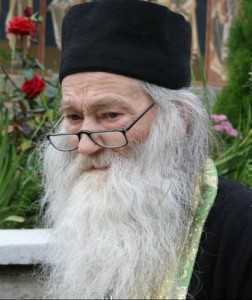
Elder Justin Pârvu- “Man is half love, half struggle”


The newly departed servant of Christ,
Elder Justin (Pârvu) of Romania and his Words of Wisdom

Motto: “If we would be willing to descend into our selves to correct a bit this avalanche of wrongdoings, then our prayer will be heard, the world would be more at peace and our life would suit more the Lord’ liking.

We have become increasingly hostile towards each other by our own selfishness, we see no one but our selves… and when we reach this state of no longer caring for those near us, we encounter the greatest fall”.


Man’s freedom is at the measure of his genuine love


Freedom becomes precious only when it is lost. Or at least, this is how we think. All his life man seeks to be free, but does not appreciate the gift of his freedom until it is too late. Freedom is in our body but also in our heart. Freedom is in action but also in the mind and the intellect. Man is free by how genuinely he loves and is attached to the values of the faith.

We are free when we accept God’s plan for our life, and when we strive to achieve it. Being free does not mean lethargy and bliss, but the fulfillment of your human condition.

Freedom does not mean to do what I always wish, as many times by doing what I like I do the will of the devil. Freedom is at the measure of man discernment, and his capacity to choose between good and evil. Man must realize that only in Truth he can live freely and with so much confusion in this world, he should avoid deception. It was what Communists did not understand, that only on the Cross the human soul gains true freedom, that all their methods of torture and psychological pressure to re-educate us, have made more saints than slaves, have sanctified our land by the martyrs blood.

Freedom is hard to understand when one has not lived in those times [of persecution], and our Christians today barely reflect of this past.


The thirst for God and the love for all people


The thirst for God directs us towards the love of our neighbor and vice versa. So great is the power of love that one who reaches a genuine love for all people denying oneself, receives the gift of healing.

This is the true “follower” of Christ! Such man loves with the love of Christ all those fallen, thus partakes in Christ’ mission on earth and save himself.


Man is half love, half struggle


(Excerpt from an interview given by the Elder Justin in 2007)

Q: – Father Justin, from your experience of “burying yourself in man suffering”, what do you think, does man need: to be understood or to be loved?

Elder Justin: – Man needs to be loved. But to love him, you must first understand him. If you see him fallen down, then you must give him your hand. The love of neighbor is one’ measure of the love for God. If you cannot love the one near you, if you do not help him, you cannot say you love God.

The love of neighbor is the first step towards salvation, on this step one must labor until he reaches the greatest love for God.


SONY DSC

Q: – During the communist regime, we have been [spiritually] poised by the slogan “new man”. Do you think we ended up with this “new man”?

Elder Justin: – You mean, in a materialistic sense? Maybe how the communists had imagine a man freed from the “bondage” of faith and of the Holy Spirit…! But a new man purified and renewed… not so.

But I want to speak more of the new man reborn in Christ, a man that’s quite rare in our present times. The renewal of man and of the world can happen only through the Resurrection of Christ, in its profound meaning. This is the new man, whom every mother preparing to bring babies into the world, must dream of modeling.

Q: – Einstein once said that “the progress made by man, compared with the development of his character, is enough to terrify …”

Elder Justin: - Yes… for a soul that’s at peace with itself can fit the whole world within; while in the soul that’s bitter, soured and distressed, nothing can enter…

Q: – How do you think man should be?

Elder Justin: - Man is – or should be! – Half love and half sacrifice, struggling to keep love undefiled.

Q: – A great thinker of the last century, Carl Gustav Jung said: “For a young man is almost a sin or at least a risk to be too much preoccupied with himself, while for the elder man, it is a duty and a necessity to commit to a more serious self study.” How do you see this?

Elder Justin: - At the end of this search man must find God. God made man in His own image, and God dwells in everyone. Young or old, man must clean up the inside of his being, for no one knows when the end comes…

Q: – Someone said that “in an empty mind, the devil finds shelter”…

Elder Justin: - He is speaking of the man who has the basket always full, for he cares for the wheat needed to be milled. And this wheat is our constant cry to God: “Lord Jesus Christ, Son of God, save us.” If the enemy finds our mind wandering in useless things, he will enter and find shelter directing it at his pleasure (…)

 Q: – Is there a question that man is rendered to never find the answer in this life?

Elder Justin: - It depends on what someone wants to know. Man has all the answers within himself. About his birth, his life and the meaning of his salvation. But if he wants to find answers to meaningless questions, then he will be constantly miserable. If he seeks answers to questions related to his faith, his purpose in life, he will find happiness.


parintele-justin-parvu1

Q:- Is doubting a sin for the Christian?

Elder Justin: - Yes, but there are “permitted” doubts. A doubt that you’re still alive after a fervent prayer, when your whole being had burned in prayer… This kind of doubt is allowed.

Q: – Father, what is humility?

Elder Justin: - Humility is a fair self-assessment of our human dimensions in relation to the [universe] infinite. Humility accompanied by patience move mounts, that’s how powerful can become for any Christian…

Q: – What is Golgotha [Calvary] for today’ Christian?

Elder Justin: – Man’ unbelief makes every day into a Golgotha.

Q: – Man today is more skeptical than fifty years ago? What can you say to encourage him to go forward, to cope with the trials of life?

Elder Justin: – Our modern man puts too much heart into trifles and details, is assaulted by a lot of false things and does not know how to choose. If you choose wisely, things will become easy and the life beautiful. If you choose wrongly, you are struggling. If you doubt that you have chosen well, your heart is also troubled. Our contemporary man has become too materialistic, a subject to the new tyrant: money. Everywhere we look, we hear that money is everything, the master of this world. He, who makes money his master, makes himself a servant to the devil.

Today, many dramas arouse not from differences in ideas, but from the battle with money, with all that is material. Man bought by it losses his faith and his values and becomes a mare currency.

Q: – How do you define the word happiness? … What advice would you give to Christians who come to you and say they are unhappy?

Elder Justin – Happiness is when you meet with the love of Christ humbly in prayer.

People understand happiness differently. Some who want much may not get it, and feel unhappy. While others may desire less, receive it and are content….


Q: – So happiness is at the measure of man…

Elder Justin: – Happiness is the faith that dwells in us. We have seen people that have many riches, great social positions and they’re still unhappy, because they lock faith!

Q” – There is a story in the Egyptian Paterikon: it happened that a wise elder once sat at the table with several brothers; as they were eating, the elder saw in the spirit how some ate honey, others bread, and some others dung. And the elder marveled and prayed to God, saying, “Lord, reveal to me this secret, how is that the same food is on the table before all, but they seem to eat different food.” And a voice came, saying, “They who eat honey are those who with fear, trembling and spiritual joy sit at the table and pray unceasingly so their prayers go up to God as incense. Those that eat bread give thanks to God for the food, and they who eat dung, are those who complain: “this is good, this is rotten”….

Elder Justin: – Yes, gratitude for what one has received is after all, a measure of man’ faith.


We need to pray with our hearts


iustin3-770566

• We must honored with much gratitude the sacrificial love of our martyrs.

• It is very important to know how to pray. And often, we monks in monasteries do not pray, but we just seem to be praying. It’s not enough to go to church and to sit there like you did your duty or obligation. We must insist on inner prayer. In vain we say many prayers with our mouth or our mind, if we do not sail deeply, if we do not live what we pray.

• In our times, even the laity need to deepen the Jesus prayer, as it will become our only salvation – prayer into the heart; the heart is the root of all passions and there we must labor. In the past we were able to go by in a more easy – superficial way, but for the times awaiting us, this will not be enough. If we will not have the prayer rotted in our hearts, we will not resist the psychological persecution awaiting us, because soon they will come with [hidden] methods to re-educate our minds. (the elder had the gift of prophesy/ clairvoyance, tr. note).

• Today I find that indifference [acedia] is the hardest sin. Our hearts no longer move in prayer, we have no tears of repentance. There will come a time when only those who feel the grace of the Spirit will be able to distinguish good from evil, for on its own, the human mind cannot discern. There will be times of great confusion and only the Holy Spirit can save us.

So, pray my beloved, pray so you may not enter into [temptation] deception! For only through prayer we can receive God’s grace. If we do not pray and continue in laziness and carelessness, then it is possible to lose the instinct of repentance. God forbid that we may not lose conscious!

 (Translated by EC)

Γέροντας Ιουστίνος: «Αυτός που δεν αγωνίστηκε εναντίον των παθών του δεν θα βρει θεία βοήθεια στον καιρό των διωγμών»

                   Γέροντας Ιουστίνος Πάρβου

…αγαπητοί μου ή τώρα ή πιο αργά θα ξεκινήσει κάποιος πόλεμος, ο χριστιανός όμως πρέπει να είναι πάντα έτοιμος ν’αντιμετωπίσει το θάνατο. Ο Θεός κατά κάποιον τρόπο μας δείχνει σημάδια για να ετοιμαστούμε. Εμείς όμως δεν δίνουμε σημασία. Αυτό σημαίνει ότι τα πάθη μάς τύφλωσαν τόσο πολύ που δεν μπορούμε να ξεχωρίσουμε το καλό από το κακό. Η γενιά αυτή είναι τόσο τυφλωμένη από τα πάθη που ακόμη κι αν δουν βομβαρδισμούς ή οτιδήποτε άλλο δεν πρόκειται να μετανοήσουν. Κι αυτό επειδή ο Θεός τους έκλεισε τα αυτιά για να μην ακούνε και τα μάτια για να μη βλέπουν (βλ. προφήτη Ησαΐα). Κι αυτό επειδή έχουν πωρωθεί στα πάθη. Θυμάμαι στον Β΄ Παγκόσμιο Πόλεμο που πολεμούσα στην πρώτη γραμμή τον εχθρό βλέποντας το θάνατο κατάματα. Λίγα χιλιόμετρα πίσω από τις γραμμές οι χωριάτες γλεντούσαν και έπιναν. Πέθαιναν με τη βότκα κάτω από το κρεβάτι. Ήταν μία τρέλα. Γλένταγαν και κανείς δε σκεφτόνταν να γλυτώσει τη ψυχή του έστω και την ενδεκάτη ώρα.

Και τώρα το ίδιο σκέφτονται. Προτιμούν να γλεντήσουν και να διασκεδάσουν παρά να σκεφτούν το θάνατο. Όπως λέει και η Γραφή ο καθένας είναι αλυσοδεμένος από κάποιο πάθος. Και όταν θα μας βρει το κακό τότε δεν θα έχουμε τη δύναμη να μετανοήσουμε. Ο καθένας προσπαθεί να ικανοποιήσει το πάθος του. Οι καρδιές έχουν πετρώσει. Αυτός που δεν αγωνίστηκε εναντίον των παθών του δεν θα βρει θεία βοήθεια στον καιρό των διωγμών. Ο Θεός μας στέλνει σημάδια για να έλθουμε ”εν εαυτώ” και να μετανοήσουμε. Να πάμε στους πνευματικούς για να εξομολογηθούμε, να κοινωνήσουμε με το σώμα και το αίμα του Χριστού για να πάρουμε δύναμη

Τον καιρό των διωγμών οι χριστιανοί πρέπει να μαζευτούν γύρω από τους ιερείς τους. Εκεί που βρίσκεται ένα αντιμήνσιο και ένας ιερέας για να τελέσει την λειτουργία εκεί είναι και η εκκλησία. Έχουμε ως παράδειγμα τον διωγμό του περασμένου αιώνα όπου οι ιερείς πήγαιναν στα βουνα και στα χωριά με ένα αντιμήνσιο και τα λειτουργικά σκεύη στην πλάτη. Η Λειτουργία και τα Μυστήρια θα δώσουν δύναμη στους χριστιανούς να αντιμετωπίσουν την πείνα και να προστατευτούν από παν κακό, ευρισκόμενοι υπο τη Σκέπη της Υπεραγίας Θεοτόκου. Έπειτα να λεει την Ευχή του Ιησού ή το Υπερμάχω. Στη φυλακή αυτές οι προσευχές μας έσωσαν και δεν υποχωρήσαμε μπροστά στο κόκκινο θηρίο.

Ο πραγματικός χριστιανός όμως δεν περιμένει τον πόλεμο ή τον διωγμό για να φροντίσει την ψυχή του. Τον αληθινό χριστιανό δεν τον ενδιαφέρει πότε θα αρχίσει ο πόλεμος ή ο διωγμός. Είναι πάντοτε έτοιμος να υποδεχθεί τον Ουράνιο Νυμφίο με το καντήλι της ψυχής αναμμένο. Ο αληθινός χριστιανός δεν κοιτάει πότε θα έρθει ο πόλεμος ή δεν παραμονεύει να δει αν η βόμβα θα πέσει στο κεφάλι του, αλλά ψάχνει να δει πως θα θυσιαστεί για τον πλησίον του και για το Θεό. Ο αληθινός χριστιανός ψάχνει τη Βασιλεία των Ουρανών μέσα του και δε φοβάται τίποτα σε αυτόν τον πρόσκαιρο κόσμο. Γι αυτόν η λύπη είναι χαρά και ο σταυρός Ανάσταση.

Πηγή :απόδοση στα ελληνικά π. Γεώργιος Κονισπολιάτης-orthodox breath

Monday, 8 July 2013

Elder Ephraim Of Arizona-On Thoughts, Fantasies, and Distraction.


Chapter Fourteen.

1.Fasting is not just abstention from food, but primarily strict abstinence of the senses. When the senses are fed by external things, they transmit a corresponding amount of poison to the nous and the heart, which kills the poor soul’s life in God. Our Watchful Fathers have so much to tell us about the holy fasting of the senses. Their entire teaching is mainly directed at the purification of the nous from sinful fantasies and thoughts, and the purification of the heart from feelings that defile it. Furthermore, they teach that we must eradicate every evil in its beginning to keep the soul clean. As soon as any evil thought whatsoever approaches even slightly, it is absolutely necessary that we drive it away and say the Jesus prayer right away. And when in this manner we confront the thoughts coming from the senses and the devil, very soon we will feel the joy and the profit derived from the fasting of the senses. If Eve had restrained her sense of vision, she would not have poisoned the offspring of her womb, that is, all the people who were born from her. In short, abstinence with the senses saves man from hell.

2. I pray, my child, that you resist egotistic and proud thoughts, for from them and from similar passions all the other evil passions originate, and by them a poor soul is pushed over the cliff of destruction. Pay no attention to passionate thoughts; disregard them completely, since the ugliness of evil is written all over their face. Disregarding the thoughts suggested by the devil brings salvation. Humility is the best stratagem, for not engaging in a battle of rebuttal* with them and fleeing for refuge in Christ through prayer is humility. Passionate thoughts may also be expelled by means of rebuttal, but the fight is difficult and the soldier of Christ must be very experienced to get by without damage, because Satan is also an expert in the Scriptures and he cites arguments to trip up the soldier. Therefore, whatever he suggests to you through your thoughts—whether it is pride, vainglory, criticism, etc.—let it go in one ear and out the other. Since they are passionate thoughts, it is unnecessary to hold a conversation with them. Lock them out! Tell them, “I do not tolerate associating and speaking with heretical thoughts”, and remain firm in your prayer.


*Rebuttal (αντιλογία )
Rebuttal is the repulsing of a demonic thought at the moment of assault. See also consent.

Related Posts Plugin for WordPress, Blogger...