Tuesday, 9 July 2013

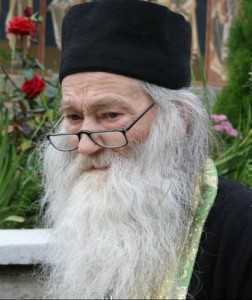
Elder Justin Pârvu- “Man is half love, half struggle”


The newly departed servant of Christ,
Elder Justin (Pârvu) of Romania and his Words of Wisdom

Motto: “If we would be willing to descend into our selves to correct a bit this avalanche of wrongdoings, then our prayer will be heard, the world would be more at peace and our life would suit more the Lord’ liking.

We have become increasingly hostile towards each other by our own selfishness, we see no one but our selves… and when we reach this state of no longer caring for those near us, we encounter the greatest fall”.


Man’s freedom is at the measure of his genuine love


Freedom becomes precious only when it is lost. Or at least, this is how we think. All his life man seeks to be free, but does not appreciate the gift of his freedom until it is too late. Freedom is in our body but also in our heart. Freedom is in action but also in the mind and the intellect. Man is free by how genuinely he loves and is attached to the values of the faith.

We are free when we accept God’s plan for our life, and when we strive to achieve it. Being free does not mean lethargy and bliss, but the fulfillment of your human condition.

Freedom does not mean to do what I always wish, as many times by doing what I like I do the will of the devil. Freedom is at the measure of man discernment, and his capacity to choose between good and evil. Man must realize that only in Truth he can live freely and with so much confusion in this world, he should avoid deception. It was what Communists did not understand, that only on the Cross the human soul gains true freedom, that all their methods of torture and psychological pressure to re-educate us, have made more saints than slaves, have sanctified our land by the martyrs blood.

Freedom is hard to understand when one has not lived in those times [of persecution], and our Christians today barely reflect of this past.


The thirst for God and the love for all people


The thirst for God directs us towards the love of our neighbor and vice versa. So great is the power of love that one who reaches a genuine love for all people denying oneself, receives the gift of healing.

This is the true “follower” of Christ! Such man loves with the love of Christ all those fallen, thus partakes in Christ’ mission on earth and save himself.


Man is half love, half struggle


(Excerpt from an interview given by the Elder Justin in 2007)

Q: – Father Justin, from your experience of “burying yourself in man suffering”, what do you think, does man need: to be understood or to be loved?

Elder Justin: – Man needs to be loved. But to love him, you must first understand him. If you see him fallen down, then you must give him your hand. The love of neighbor is one’ measure of the love for God. If you cannot love the one near you, if you do not help him, you cannot say you love God.

The love of neighbor is the first step towards salvation, on this step one must labor until he reaches the greatest love for God.


SONY DSC

Q: – During the communist regime, we have been [spiritually] poised by the slogan “new man”. Do you think we ended up with this “new man”?

Elder Justin: – You mean, in a materialistic sense? Maybe how the communists had imagine a man freed from the “bondage” of faith and of the Holy Spirit…! But a new man purified and renewed… not so.

But I want to speak more of the new man reborn in Christ, a man that’s quite rare in our present times. The renewal of man and of the world can happen only through the Resurrection of Christ, in its profound meaning. This is the new man, whom every mother preparing to bring babies into the world, must dream of modeling.

Q: – Einstein once said that “the progress made by man, compared with the development of his character, is enough to terrify …”

Elder Justin: - Yes… for a soul that’s at peace with itself can fit the whole world within; while in the soul that’s bitter, soured and distressed, nothing can enter…

Q: – How do you think man should be?

Elder Justin: - Man is – or should be! – Half love and half sacrifice, struggling to keep love undefiled.

Q: – A great thinker of the last century, Carl Gustav Jung said: “For a young man is almost a sin or at least a risk to be too much preoccupied with himself, while for the elder man, it is a duty and a necessity to commit to a more serious self study.” How do you see this?

Elder Justin: - At the end of this search man must find God. God made man in His own image, and God dwells in everyone. Young or old, man must clean up the inside of his being, for no one knows when the end comes…

Q: – Someone said that “in an empty mind, the devil finds shelter”…

Elder Justin: - He is speaking of the man who has the basket always full, for he cares for the wheat needed to be milled. And this wheat is our constant cry to God: “Lord Jesus Christ, Son of God, save us.” If the enemy finds our mind wandering in useless things, he will enter and find shelter directing it at his pleasure (…)

 Q: – Is there a question that man is rendered to never find the answer in this life?

Elder Justin: - It depends on what someone wants to know. Man has all the answers within himself. About his birth, his life and the meaning of his salvation. But if he wants to find answers to meaningless questions, then he will be constantly miserable. If he seeks answers to questions related to his faith, his purpose in life, he will find happiness.


parintele-justin-parvu1

Q:- Is doubting a sin for the Christian?

Elder Justin: - Yes, but there are “permitted” doubts. A doubt that you’re still alive after a fervent prayer, when your whole being had burned in prayer… This kind of doubt is allowed.

Q: – Father, what is humility?

Elder Justin: - Humility is a fair self-assessment of our human dimensions in relation to the [universe] infinite. Humility accompanied by patience move mounts, that’s how powerful can become for any Christian…

Q: – What is Golgotha [Calvary] for today’ Christian?

Elder Justin: – Man’ unbelief makes every day into a Golgotha.

Q: – Man today is more skeptical than fifty years ago? What can you say to encourage him to go forward, to cope with the trials of life?

Elder Justin: – Our modern man puts too much heart into trifles and details, is assaulted by a lot of false things and does not know how to choose. If you choose wisely, things will become easy and the life beautiful. If you choose wrongly, you are struggling. If you doubt that you have chosen well, your heart is also troubled. Our contemporary man has become too materialistic, a subject to the new tyrant: money. Everywhere we look, we hear that money is everything, the master of this world. He, who makes money his master, makes himself a servant to the devil.

Today, many dramas arouse not from differences in ideas, but from the battle with money, with all that is material. Man bought by it losses his faith and his values and becomes a mare currency.

Q: – How do you define the word happiness? … What advice would you give to Christians who come to you and say they are unhappy?

Elder Justin – Happiness is when you meet with the love of Christ humbly in prayer.

People understand happiness differently. Some who want much may not get it, and feel unhappy. While others may desire less, receive it and are content….


Q: – So happiness is at the measure of man…

Elder Justin: – Happiness is the faith that dwells in us. We have seen people that have many riches, great social positions and they’re still unhappy, because they lock faith!

Q” – There is a story in the Egyptian Paterikon: it happened that a wise elder once sat at the table with several brothers; as they were eating, the elder saw in the spirit how some ate honey, others bread, and some others dung. And the elder marveled and prayed to God, saying, “Lord, reveal to me this secret, how is that the same food is on the table before all, but they seem to eat different food.” And a voice came, saying, “They who eat honey are those who with fear, trembling and spiritual joy sit at the table and pray unceasingly so their prayers go up to God as incense. Those that eat bread give thanks to God for the food, and they who eat dung, are those who complain: “this is good, this is rotten”….

Elder Justin: – Yes, gratitude for what one has received is after all, a measure of man’ faith.


We need to pray with our hearts

iustin3-770566

• We must honored with much gratitude the sacrificial love of our martyrs.

• It is very important to know how to pray. And often, we monks in monasteries do not pray, but we just seem to be praying. It’s not enough to go to church and to sit there like you did your duty or obligation. We must insist on inner prayer. In vain we say many prayers with our mouth or our mind, if we do not sail deeply, if we do not live what we pray.

• In our times, even the laity need to deepen the Jesus prayer, as it will become our only salvation – prayer into the heart; the heart is the root of all passions and there we must labor. In the past we were able to go by in a more easy – superficial way, but for the times awaiting us, this will not be enough. If we will not have the prayer rotted in our hearts, we will not resist the psychological persecution awaiting us, because soon they will come with [hidden] methods to re-educate our minds. (the elder had the gift of prophesy/ clairvoyance, tr. note).

• Today I find that indifference [acedia] is the hardest sin. Our hearts no longer move in prayer, we have no tears of repentance. There will come a time when only those who feel the grace of the Spirit will be able to distinguish good from evil, for on its own, the human mind cannot discern. There will be times of great confusion and only the Holy Spirit can save us.

So, pray my beloved, pray so you may not enter into [temptation] deception! For only through prayer we can receive God’s grace. If we do not pray and continue in laziness and carelessness, then it is possible to lose the instinct of repentance. God forbid that we may not lose conscious!

 (Translated by EC)

Γέροντας Ιουστίνος: «Αυτός που δεν αγωνίστηκε εναντίον των παθών του δεν θα βρει θεία βοήθεια στον καιρό των διωγμών»

                   Γέροντας Ιουστίνος Πάρβου

…αγαπητοί μου ή τώρα ή πιο αργά θα ξεκινήσει κάποιος πόλεμος, ο χριστιανός όμως πρέπει να είναι πάντα έτοιμος ν’αντιμετωπίσει το θάνατο. Ο Θεός κατά κάποιον τρόπο μας δείχνει σημάδια για να ετοιμαστούμε. Εμείς όμως δεν δίνουμε σημασία. Αυτό σημαίνει ότι τα πάθη μάς τύφλωσαν τόσο πολύ που δεν μπορούμε να ξεχωρίσουμε το καλό από το κακό. Η γενιά αυτή είναι τόσο τυφλωμένη από τα πάθη που ακόμη κι αν δουν βομβαρδισμούς ή οτιδήποτε άλλο δεν πρόκειται να μετανοήσουν. Κι αυτό επειδή ο Θεός τους έκλεισε τα αυτιά για να μην ακούνε και τα μάτια για να μη βλέπουν (βλ. προφήτη Ησαΐα). Κι αυτό επειδή έχουν πωρωθεί στα πάθη. Θυμάμαι στον Β΄ Παγκόσμιο Πόλεμο που πολεμούσα στην πρώτη γραμμή τον εχθρό βλέποντας το θάνατο κατάματα. Λίγα χιλιόμετρα πίσω από τις γραμμές οι χωριάτες γλεντούσαν και έπιναν. Πέθαιναν με τη βότκα κάτω από το κρεβάτι. Ήταν μία τρέλα. Γλένταγαν και κανείς δε σκεφτόνταν να γλυτώσει τη ψυχή του έστω και την ενδεκάτη ώρα.

Και τώρα το ίδιο σκέφτονται. Προτιμούν να γλεντήσουν και να διασκεδάσουν παρά να σκεφτούν το θάνατο. Όπως λέει και η Γραφή ο καθένας είναι αλυσοδεμένος από κάποιο πάθος. Και όταν θα μας βρει το κακό τότε δεν θα έχουμε τη δύναμη να μετανοήσουμε. Ο καθένας προσπαθεί να ικανοποιήσει το πάθος του. Οι καρδιές έχουν πετρώσει. Αυτός που δεν αγωνίστηκε εναντίον των παθών του δεν θα βρει θεία βοήθεια στον καιρό των διωγμών. Ο Θεός μας στέλνει σημάδια για να έλθουμε ”εν εαυτώ” και να μετανοήσουμε. Να πάμε στους πνευματικούς για να εξομολογηθούμε, να κοινωνήσουμε με το σώμα και το αίμα του Χριστού για να πάρουμε δύναμη

Τον καιρό των διωγμών οι χριστιανοί πρέπει να μαζευτούν γύρω από τους ιερείς τους. Εκεί που βρίσκεται ένα αντιμήνσιο και ένας ιερέας για να τελέσει την λειτουργία εκεί είναι και η εκκλησία. Έχουμε ως παράδειγμα τον διωγμό του περασμένου αιώνα όπου οι ιερείς πήγαιναν στα βουνα και στα χωριά με ένα αντιμήνσιο και τα λειτουργικά σκεύη στην πλάτη. Η Λειτουργία και τα Μυστήρια θα δώσουν δύναμη στους χριστιανούς να αντιμετωπίσουν την πείνα και να προστατευτούν από παν κακό, ευρισκόμενοι υπο τη Σκέπη της Υπεραγίας Θεοτόκου. Έπειτα να λεει την Ευχή του Ιησού ή το Υπερμάχω. Στη φυλακή αυτές οι προσευχές μας έσωσαν και δεν υποχωρήσαμε μπροστά στο κόκκινο θηρίο.

Ο πραγματικός χριστιανός όμως δεν περιμένει τον πόλεμο ή τον διωγμό για να φροντίσει την ψυχή του. Τον αληθινό χριστιανό δεν τον ενδιαφέρει πότε θα αρχίσει ο πόλεμος ή ο διωγμός. Είναι πάντοτε έτοιμος να υποδεχθεί τον Ουράνιο Νυμφίο με το καντήλι της ψυχής αναμμένο. Ο αληθινός χριστιανός δεν κοιτάει πότε θα έρθει ο πόλεμος ή δεν παραμονεύει να δει αν η βόμβα θα πέσει στο κεφάλι του, αλλά ψάχνει να δει πως θα θυσιαστεί για τον πλησίον του και για το Θεό. Ο αληθινός χριστιανός ψάχνει τη Βασιλεία των Ουρανών μέσα του και δε φοβάται τίποτα σε αυτόν τον πρόσκαιρο κόσμο. Γι αυτόν η λύπη είναι χαρά και ο σταυρός Ανάσταση.

Πηγή :απόδοση στα ελληνικά π. Γεώργιος Κονισπολιάτης-orthodox breath

Monday, 8 July 2013

Elder Ephraim Of Arizona-On Thoughts, Fantasies, and Distraction.


Chapter Fourteen.

1.Fasting is not just abstention from food, but primarily strict abstinence of the senses. When the senses are fed by external things, they transmit a corresponding amount of poison to the nous and the heart, which kills the poor soul’s life in God. Our Watchful Fathers have so much to tell us about the holy fasting of the senses. Their entire teaching is mainly directed at the purification of the nous from sinful fantasies and thoughts, and the purification of the heart from feelings that defile it. Furthermore, they teach that we must eradicate every evil in its beginning to keep the soul clean. As soon as any evil thought whatsoever approaches even slightly, it is absolutely necessary that we drive it away and say the Jesus prayer right away. And when in this manner we confront the thoughts coming from the senses and the devil, very soon we will feel the joy and the profit derived from the fasting of the senses. If Eve had restrained her sense of vision, she would not have poisoned the offspring of her womb, that is, all the people who were born from her. In short, abstinence with the senses saves man from hell.

2. I pray, my child, that you resist egotistic and proud thoughts, for from them and from similar passions all the other evil passions originate, and by them a poor soul is pushed over the cliff of destruction. Pay no attention to passionate thoughts; disregard them completely, since the ugliness of evil is written all over their face. Disregarding the thoughts suggested by the devil brings salvation. Humility is the best stratagem, for not engaging in a battle of rebuttal* with them and fleeing for refuge in Christ through prayer is humility. Passionate thoughts may also be expelled by means of rebuttal, but the fight is difficult and the soldier of Christ must be very experienced to get by without damage, because Satan is also an expert in the Scriptures and he cites arguments to trip up the soldier. Therefore, whatever he suggests to you through your thoughts—whether it is pride, vainglory, criticism, etc.—let it go in one ear and out the other. Since they are passionate thoughts, it is unnecessary to hold a conversation with them. Lock them out! Tell them, “I do not tolerate associating and speaking with heretical thoughts”, and remain firm in your prayer.


*Rebuttal (αντιλογία )
Rebuttal is the repulsing of a demonic thought at the moment of assault. See also consent.

Το ενδιαφέρον της Παναγίας μας για την σωτηρία μας


Ήταν Χριστούγεννα του 2006. Ο κυρ- Νικόλας δήλωσε ρητά στην σύζυγό του:
- Θα πάμε στην Παναγία – όπως θέλεις- ,αλλά θ' ανάψουμε ένα κερί και θα φύγουμε αμέσως!


(Ψυχρότητα; Αδιαφορία; Ο Θεός γνωρίζει. Η ψυχή του όμως ήταν καλή, και η Παναγία Μητέρα θέλησε να τον βοηθήσει. )
Μόλις λοιπόν βγήκε από την Εκκλησία, αφού άναψε το κερί και κατηφόριζε το καλντερίμι με την σύζυγο για να φύγει, άκουσε μία φωνή να τον φωνάζει :
- Νίκο!
Γύρισε και κοίταξε ξαφνιασμένος. Δεν υπήρχε γύρω κανείς! Προχώρησε πάλι λίγο κι άκουσε πάλι τα' όνομά του:
- Νίκο!

Μια φωνή απαλή αλλά καθαρή. Προβληματίστηκε και σταμάτησε για λίγο. Η γυναίκα του τον κοιτούσε παραξενεμένη. Τελικά ξαναπροχώρησε, αλλά τότε η φωνή ακούστηκε πιο έντονη, κάπως σαν με παράπονο!
- Νίκο, που πας;

Συγκλονίστηκε και δάκρυσε, έπιασε απ' το χέρι τη γυναίκα του και της είπε με κομένη από την συγκίνηση φωνή:

- Γυναίκα, πάμε πίσω στην Εκκλησία. Η Παναγία με φωνάζει! Τρεις φορές την άκουσα! Μου είπε: "Που πας Νίκο;" Έχει δίκιο! Που μπορεί να είναι καλύτερα από την Θεία Λειτουργία;

Και πρόσθεσε:
- Συγχώρεσέ με Παναγία μου! Περιφρόνησα την θυσία του Υιού Σου κ Εσένα. Σου γύρισα την πλάτη. Συγχώρεσέ με, έρχομαι, έρχομαι!

Από τότε έγινε τακτικός στον εκκλησιασμό του. Τα δε Χριστούγεννα σε ανάμνηση του γεγονότος εκκλησιάζεται στο μοναστήρι.

Το γεγονός το αφηγήθηκε το εν λόγω ζευγάρι , τα Χριστούγεννα του 2008.
Μας δίνει δε αφορμές ν' αναλογιστούμε και να θαυμάσουμε την σωτήρια φροντίδα της Θεομήτορος κυρίως για τη σωτηρία των ψυχών μας. Θεραπεύει σώματα και ψυχές σε όσους με πίστη ζητούν το έλεός της! Τα θαύματα Της πύκνωσαν , ίσως γιατί πύκνωσαν και οι ασθένειες. Αλλά «Ὅπου ἐπλεόνασεν ἡ ἁμαρτία, ὑπερεπερίσσευσεν ἡ Xάρις». Αρκεί να υπάρχει ειλικρινής μετάνοια και εκζήτηση του θείου ελέους. Τότε πάντοτε ενεργεί το έλεος του Θεού, αλλά με τα αλάνθαστα κριτήριά Του, προς το συμφέρον των ψυχών...


http://stomenkalosstomenmetafovoutheou.blogspot.gr/2013/07/blog-post_1973.html#.UdnX9NglHIc

Sunday, 7 July 2013

ST. NEILOS OF SINAI -On Developing the Active Life of Prayer

ST. NEILOS OF SINAI

ST. NILUS OF SINAI -- TEXTS ON PRAYER
 
Prayer and reading are excellent; they stop the aimless wandering of thoughts, shackle the thought which turns on useless things and keep it close by them with profit, occupied without distraction by this excellent doing.
-- Prayer attunes us for converse with God and, through long practice, leads us to friendship with Him; with Him Whose love accepts even worthless men and is not ashamed to enter into friendship with them, so long as the love that lives in them gives them daring.

-- Prayer frees the mind of all thought of the sensory and raises it to God Himself, Who is above all, to converse with Him and daringly ask Him for anything. Thus a man spends his life in purity, as one who, having already experienced communion with God, is thereupon again preparing for this communion.

-- St. Paul teaches us to continue "instant in prayer" (Romans 12:12), grounding ourselves in it by long perseverance (Collossians 4:2, Ephesians 6:18). He also commands us to "pray everywhere" (I Timothy 2:8) so that no idle one can excuse himself because he lives far from the house of prayer. Any place is suitable for prayer. God accepts those who call to Him with a pure heart and righteous deeds, and seeing their disposition, listens to their supplication, even if the place whence they call to Him has nothing special to distinguish it.

-- At times during vigil one should read the psalms quickly, while at other times it is best to intone them. We should vary the method to oppose the wiles of the enemies, who at times incite us to hurry our tongue in quick reading, because the soul is sunk in depression, and at times incite us to stately intoning.

-- Be fond of working with your hands, but still more of the memory of prayer; because the first does not always bring us the fruit of that occupation, while the second does so unceasingly. Do not stop praying until you have paid your due of prayer in full, and do not listen to the thought that it is time to sit down to work. Equally, when you sit at work, do not be too concerned in it, lest you agitate the heart by your haste and make it worthless for prayer.

-- A mind from which the thought of God has been carried away and which has thus become far removed from remembering Him, is also indifferent to sin with the outer senses. For such a mind can guide neither the hearing nor the tongue, since zest to work on itself has gone out of it.

-- Sometimes we try hard to practice pure prayer, and cannot; but it happens also that we do not compel ourselves, yet the soul prays with purity. The first results from our infirmity, the second, from grace from above, which thus calls us to seek purity of soul and teaches us, in each case, not to ascribe it to ourselves if our prayer is pure, but to recognize in this a gift of the Giver. "We know not what we should pray for as we ought"(Romans 8:26). When we try to make our prayer pure and cannot, but are enveloped in darkness, let us moisten our cheeks with tears and implore God to disperse the night of the battle and to let light shine in the soul.

-- Memory of carnal lusts is revolting; for not only does it prevent us from converse with God, but even when the mind seems to be praying, it defiles it with the fantasies of abominable representations. It is good to remain in constant prayer and to exercise the mind in converse with God. But is it so with us? We are frequently diverted from the words of the prayer, we follow thoughts that lead us away, neither denying them nor being saddened by them -- which would have shown that our will disagreed with unseemly suggestions. Although our outward aspect is appropriate to prayer, for we kneel and appear to those who see us to be praying, in our thought we imagine something pleasant, graciously talk with friends, angrily abuse enemies, feast with guests, build houses for our relatives, plant trees, travel, trade, are forced against our will into priesthood, organize with great circumspection the affairs the affairs of the churches placed in our care, and go over most of it in our thoughts, consenting to any thought that comes along, in whatever way passion chooses to dispose our heart.

-- Prayer demands that the mind should be pure of all thought and should admit nothing not belonging to prayer, even if it were good in itself. As if inspired by God the mind should withdraw from all things and hold its converse with Him alone.

-- He who divides his time between physical work and prayer subdues his body by labor and moderates its disorderly demands; and since his soul, working together with the body, at last longs for a rest, it disposes it to prayer, as to something easier, and brings it to the work of prayer with fresh strength and zeal. For the soul finds comfort in a change of occupation and in passing from one thing to another, whereas it gets bored when occupied for long with the same thing. It becomes weary of monotony, but welcomes variety of occupations. It seems to it that, by abandoning one occupation, it is freed of all hardship, and so it comes to another with fresh strength, as though it were only now starting work.

-- He who does not like working, feeds passions by idleness and gives his desires freedom to fly to kindred objects. This is specially evident in prayer, for then the attention of the mind is wholly absorbed in what occupies the heart, and thought merely turns over and over the suggestions offered by the stirrings of some passion, instead of conversing with God and asking Him for what profits it. Knowing this, St. Paul vigorously attacks idleness and by his Apostolic authority commands all to work (II Thessalonians 3:6-12). Work is an anchor for thought and gives it a safe direction. Let storms and gusts of wind come from all sides, threatening shipwreck -- thought stands firm, kept steadfast by work as by an anchor; even if somewhat agitated by rising suggestions, it is not led into danger, for the bonds that hold it fast are stronger than the driving winds.

-- Those who refuse to work with their hands under the pretext that one should pray without ceasing, in reality do not pray either. By the very fact that they think, through idleness, to give the soul freedom from cares, they entangle it in a labyrinth of thoughts with no way out and so make it incapable of prayer. A body laboring at some piece of work keeps the thought close by, since the task of thought, like that of the eyes, is to watch over what is being done and to help the body act faultlessly; but a body at rest gives thought freedom to wander, for during rest passions are apt to be set in motion and every lustful memory entices the thought away and captures it like a slave.

-- There is a higher prayer -- that of the perfect -- which is a certain ravishing of the mind, its complete separation from all sensory things, when with unutterable sighings of the spirit it approaches God, Who sees the heart open like a written book, wherein its will is expressed in wordless images. Thus Paul was ravished to the third heaven, not knowing "whether in the body" or "whether out of the body" (II Corinthians 12:2).

-- Below the first, there is a second kind of prayer, when words are uttered, while the heart is touched, and the mind follows them, and knows to Whom the supplication is addressed.

-- But prayer interrupted by thoughts (the lowest form), and linked with bodily cares, is far from the structure of mind fitting for prayer. In such prayer man does not hear himself, but darts hither and thither in thought, not remembering what words he utters. But if the man who prays is such, will God's ear pay heed to what, in his inattention, he does not himself hear? With those who said, "Attend to my petition; give ear to my prayer" (Psalms 16:1) and "O Lord, hearken to my voice; let thine ears be attentive to the voice of my supplication" (Psalms 129:2), the mind was wholly and carefully collected and not scattered and spread about over such things as is usual with the negligent, whose thoughts are uncontrolled. 
 
from E. Kadloubovsky and G.E.H. Palmer (trans), Early Fathers From the Philokalia, (London: Faber and Faber, 1981), p. 144 - 147

«Τι μπορεί να είναι πιο ισχυρό από εμένα;»


Κάποτε ήταν ένας λιθοξόος που δεν ήταν ικανοποιημένος από τον εαυτό του και την ζωή του.
Μια μέρα, περνώντας έξω από το σπίτι ενός πλούσιου εμπόρου, κοίταξε μέσα από την ανοιχτή πόρτα και θαύμασε τα όμορφα πράγματα και τους σημαντικούς επισκέπτες.
«Πόσο σπουδαίος να είναι αυτός ο έμπορος!» σκέφτηκε με ζήλια και ευχήθηκε να γίνει σαν αυτόν τον έμπορο.
Προς μεγάλη του έκπληξη, αμέσως μεταμορφώθηκε σε έμπορο, απολαμβάνοντας τις πολυτέλειες και την ισχυρή επιρροή, μα και την ζήλια των πιο φτωχών απ' αυτόν.
Σύντομα, ένας σημαντικός προύχοντας πέρασε από τον δρόμο, που τον μετέφεραν σε σέντια και συνοδευόμενος από στρατιωτικούς.
Όλοι, όσο πλούσιοι κι αν ήταν, υποκλίνονταν μπροστά του.
«Πόσο ισχυρός είναι αυτός ο προύχοντας!» σκέφτηκε «εύχομαι να ήμουν προύχοντας!»
Αμέσως μεταμορφώθηκε σε ισχυρό προύχοντα, που όλοι φοβούνταν αλλά και μισούσαν.
Ήρθε το καλοκαίρι και οι πολύ ζεστές μέρες, κι ο προύχοντας ένιωθε άβολα μέσα στην σέντια του. Κοίταξε ψηλά τον ήλιο και σκέφτηκε «πόσο ισχυρός είναι ο ήλιος! Εύχομαι να ήμουν ο ήλιος!»
Αμέσως έγινε ο ήλιος, να λάμπει πάνω από τον κόσμο, να λατρεύεται και να θαυμάζεται από τους ανθρώπους, αλλά και να καταριέται από τους αγρότες -που τους έκαιγε τα σπαρτά- και από τους εργάτες που υπέφεραν κάνοντας την εργασία τους.
Μα ξάφνου, ένα μεγάλο μαύρο σύννεφο πέρασε από μπροστά του, εμποδίζοντάς τον να λάμψει παντού πάνω στη γη.
«Πόσο ισχυρό είναι αυτό το σύννεφο!» σκέφτηκε «εύχομαι να ήμουν σύννεφο!»
Αμέσως μεταμορφώθηκε σε βαρύ, μαύρο σύννεφο, που πλημμύριζε με το νερό του τα σπαρτά και τα χωρία, κι όλοι το καταριόνταν.
Μα σύντομα, κατάλαβε ότι παρασέρνονταν από μια μεγαλύτερη δύναμη, τον άνεμο.
«Πόσο ισχυρός είναι ο άνεμος!» σκέφτηκε «εύχομαι να ήμουν ο άνεμος!»
Αμέσως έγινε ο άνεμος, να φυσάει μανιασμένα ξεριζώνοντας δέντρα και καταστρέφοντας τις σκεπές των σπιτιών, κι όλοι να τον καταριόνται.
Σύντομα όμως βρέθηκε μπροστά σε έναν θεόρατο βράχο, που δεν μετακινούνταν καθόλου, παρά την δύναμη του ανέμου.
«Πόσο ισχυρός είναι αυτός ο βράχος!» σκέφτηκε «εύχομαι να ήμουν βράχος!»
Αμέσως έγινε ένας δυνατός, τεράστιος βράχος. Ότι πιο σταθερό πάνω στην γη.
Έτσι όπως στεκότανε απολαμβάνοντας την δύναμή του, άκουσε τον ήχο μεταλλικού εργαλείου πάνω στην επιφάνειά του και ένιωσε ν' αλλάζει η μορφή του.
«Τι μπορεί να είναι πιο ισχυρό από εμένα;;» απόρησε.
Κοίταξε κάτω χαμηλά, και είδε έναν λιθοξόο...


Άγ.Ιωάννης Χρυσόστομος- Απελπισία και Αμέλεια.


Στη ζωή του χριστιανού η απελπισία και η αμέλεια είναι καταστροφικές. Εκείνον που έπεσε σε αμάρτημα, η απελπισία δεν τον αφήνει να σηκωθεί∙ κι εκείνον που είναι όρθιος, η αμέλεια τον κάνει να πέσει. Η απελπισία στερεί τον άνθρωπο από τ’ αγαθά που έχει αποκτήσει ∙ η αμέλεια δεν τον αφήνει ν’ απαλλαγεί από τα κακά που τον βαραίνουν. Η αμέλεια σε κατεβάζει και απ’ αυτούς τους ουρανούς, ενώ η απελπισία σε γκρεμίζει ολότελα στην άβυσσο της κακίας. Κοίτα να δεις τη δύναμη που έχουν και οι δύο.
Ο διάβολος πρώτα ήταν αγαθός άγγελος∙ επειδή ,όμως, έδειξε αμέλεια και κυριεύθηκε από απόγνωση, έπεσε σε τόση κακία, που δεν μπορεί πια να σηκωθεί. Το ότι ήταν αγαθός πρώτα, το βεβαιώνει ο Κύριος, που λέει: «Είδα το σατανά να πέφτει από τον ουρανό σαν αστραπή» (Λουκ. 10:18 ) . Η παρομοίωσή του με την αστραπή φανερώνει και τη λαμπρότητα της προηγούμενης καταστάσεώς του και τη σφοδρότητα της πτώσης του.
Ο Παύλος ήταν βλάσφημος και διώκτης και υβριστής∙ επειδή , όμως, δεν κυριεύθηκε από απόγνωση και σηκώθηκε από την αμαρτία, έγινε ίσος με τους αγγέλους. Ο Ιούδας ήταν απόστολος∙ επειδή ,όμως, έδειξε αμέλεια, έγινε προδότης. Ο ληστής , ύστερ’ από τόσα κακουργήματα που έκανε, δεν απελπίστηκε∙ έτσι μπήκε πρώτος απ’ όλους στον παράδεισο.
Ο Φαρισαίος ,επειδή υπερηφανεύθηκε, έπεσε από τα ύψη της αρετής∙ και ο τελώνης , επειδή δεν απελπίστηκε, ανέβηκε τόσο ψηλά, ώστε ξεπέρασε την αρετή του Φαρισαίου.
Θέλεις να σου δείξω και όλη ολόκληρη που έκανε το ίδιο; Η πόλη των Νινευϊτών μ’ αυτόν τον τρόπο σώθηκε, μολονότι η απόφαση του Θεού τους οδηγούσε σε απόγνωση∙ γιατί δεν είπε πως , αν μετανοήσουν ,θα σωθούν, αλλά : «Τρεις μέρες ακόμα και η Νινευή θα καταστραφεί» (Ιων.3:4 ) . Όμως, αν και απειλούσε ο Θεός, αν και φώναζε ο προφήτης Ιωνάς, αν και η απόφαση δεν είχε αναβολή ή περιορισμό, οι Νινευϊτες δεν έχασαν τον θάρρος και την ελπίδα τους. Και γιατί δεν έβαλε κανέναν όρο; Γιατί δεν είπε: «Αν μετανοήσουν, θα σωθούν»; Για να παραδειγματιστούμε εμείς και, όταν ακούμε καταδικαστική απόφαση του Θεού χωρίς όρο κι περιορισμό, ούτε τότε ν’ απελπιζόμαστε, αλλά να μετανοούμε.
Αυτά, λοιπόν, έχοντας υπόψη μας, ποτέ να μην απελπιζόμαστε. Κανένα όπλο δεν είναι τόσο αποτελεσματικό στα χέρια του διαβόλου όσο η απόγνωση. Γι’ αυτό και δεν του προξενούμε τόση ευχαρίστηση όταν αμαρτάνουμε, όση όταν απελπιζόμαστε…
… Γνωρίζοντας λοιπόν, πως ο ουράνιος Πατέρας μας , ο Καλός Ποιμένας , όχι μόνο δεν μας περιφρονεί, όταν επιστρέφουμε σ’ Αυτόν, αλλά και με μεγαλύτερη προθυμία και στοργή μας δέχεται απ’ ό,τι εκείνους που κατόρθωσαν την αρετή, γνωρίζοντας πως όχι μόνο δεν τιμωρεί τους πλανεμένους, αλλά και βγαίνει σε αναζήτησή τους και χαίρεται περισσότερο γι’ αυτούς, όταν τους βρει, παρά για όσους έχει κοντά Του, ούτε ν’ απελπιζόμαστε πρέπει, όταν βρισκόμαστε στην αμαρτία, ούτε όμως και να ξεθαρρεύουμε όταν κάνουμε το καλό∙ αλλά, και όταν αμαρτάνουμε, να μετανοούμε, και όταν ασκούμε την αρετή, να προσέχουμε μην πέσουμε. Γιατί προδοσία της σωτηρίας μας είναι και τα δυο τούτα, δηλαδή τόσο το να ξεθαρρεύουμε , όταν βρισκόμαστε στο δρόμο της αρετής, όσο και το ν’ απελπιζόμαστε, όταν πέφτουμε στην αμαρτία…
… «Σήμερα», λοιπόν, όσο δηλαδή διαρκεί η παρούσα ζωή, ας μην απελπιζόμαστε. Στηρίζοντας τις ελπίδες μας στον Κύριο και αναγνωρίζοντας την άπειρη φιλανθρωπία Του, ας πετάξουμε πρόθυμοι μακριά μας κάθε κακία, ας πιαστούμε από την αρετή, ας δείξουμε απέραστη μετάνοια, ας καθαριστούμε εδώ απ’ όλα τ’ αμαρτήματά μας, για να μπορέσουμε με παρρησία να σταθούμε στο φοβερό βήμα του Χριστού και να μπούμε στη βασιλεία των ουρανών, με τη χάρη του Θεού μας.
από το βιβλίο: «Θέματα Ζωής» Β”
Αγίου Ιωάννου Χρυσοστόμου
Ιερά Μονή Παρακλήτου
Related Posts Plugin for WordPress, Blogger...