Thursday, 12 December 2013

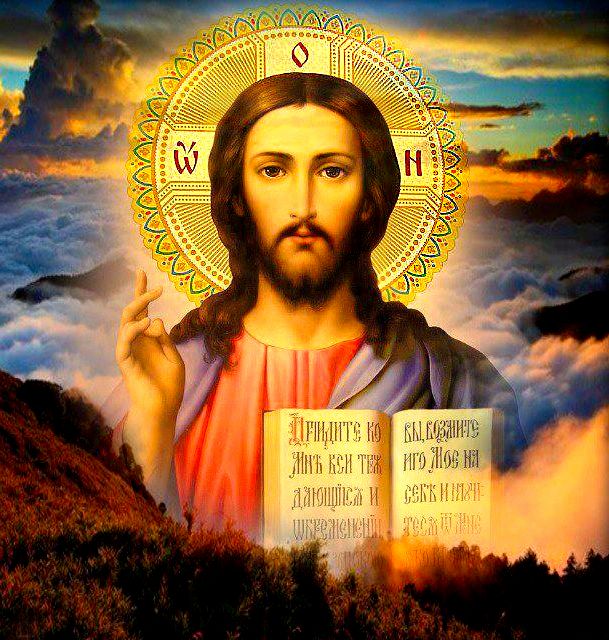
St. John of Kronstadt-On Divine Providence

 Saint John of Kronstadt
 
If God does not leave a blade of grass, a flower, or a small leaf of a tree without His good providence, will He leave us? O, let every man be convinced with his whole heart that God is true to Himself in His providence for even the least of His creatures. Let him understand that the Creator invisibly dwells in all His creatures. In the words of our Saviour, God clothes the grass of the field, feeds the fowls of the air.[52]

Excerpts from the diary of St. John of Kronstadt on Providence and the Will of God

We must trust in God in all temptations, in all desolate conditions of the soul. The Lord will deliver.

Give yourself up entirely to God's providence, to the Lord's Will, and do not grieve at losing anything material, nor in general at the loss of visible things; do not rejoice at gain, but let your only and constant joy be to win the Lord Himself. Trust entirely in Him: He knows how to lead you safely through this present life, and to bring you to Himself — into His eternal Kingdom. From want of trust in God's providence many and great afflictions proceed: despondency, murmurings, envy, avarice, love of money or the passion for amassing money and property in general, so that it may last for many years, in order to eat, drink, sleep and enjoy; from want of trust in God's providence proceed in particular afflictions such as arise, for instance: from some loss of income through our own oversight, from the loss of objects, specially valuable and necessary, as well as immoderate joy at recovering some objects, or at receiving some large income or gain, or some profitable place or employment. We, as Christians, as "fellow citizens with the Saints and of the household of God,"[574] ought to commit all our life, together with all its sorrows, sicknesses, griefs, joys, scarcities and abundance unto Christ our God.

Bear with humble submission to the will of God every sorrow, every sickness and infirmity, every labour, every offence and disappointment, saying: "Thy Will be done,"[1360] knowing that God's mercy orders everything for your good, and that the Lord can easily change every disappointment into happiness and joy.

"That they all may be one, as Thou, Father, art in me, and I in Thee, that they also may be one in us."[522] What separates us from God and each other? Money, food, and drink — this dust, this dross, this corruption. Why? Because we have not living Christian trust and faith in God. We do not know, or we forget, that man's true life is love for God and his neighbour. Setting our life upon dust and trusting in it, we do not render to the Heavenly Father the glory that is due to Him, by putting our whole trust in Him, by casting all our care upon Him, as His faithful children in Christ should do. "If then I be a Father, where is Mine honour? [523] Where is your trust in Me? Where is your love for Me? Where is your detachment from earthly, corrupt things, and your hearty desire for the heavenly, spiritual, and eternal ones?

When you are disturbed and depressed by the wickedness of men, remember how boundlessly you are beloved by the Almighty and All-righteous God, Who suffers the evil until the time comes, and then will justly punish it. You cannot master yourself, your tongue, or one single member of your body. Judge by this what He must be, Who governs the whole world, Who keeps it in such wonderful order, Who governs the whole of mankind, evil, perverted as we are, ever ready as we are to destroy each other, and yet meanwhile more prosperous than needy under His sovereignty. How almighty and wise must He be to govern such heterogeneous multitudes! Trust in Him entirely.

"Thy will be done." For instance, when you wish and by every means endeavour to be well and healthy, and yet remain ill, then say: "Thy will be done." When you undertake something and your undertaking does not succeed, Say: "Thy will be done." When you do good to others, and they repay you by evil, say: "Thy will be done." Or when you would like to sleep and are overtaken by sleeplessness, Say: "Thy will be done." In general, do not become irritated when anything is not done in accordance with your will, but learn to submit in everything to the Will of the Heavenly Father. You would like not to experience any temptations, and yet the enemy daily harasses you by them; provokes and annoys you by every means. Do not become irritated and angered, but say: "Thy will be done."

It is never so difficult to say from the heart, "Thy Will be done, Father," as when we are in sore affliction or grievous sickness, and especially when we are subjected to the injustice of men, or the assaults and wiles of the enemy. It is also difficult to say from the heart "Thy Will be done" when we ourselves were the cause of some misfortune, for then we think that it is not God's Will, but our own will, that has placed us in such a position, although nothing can happen without the Will of God. In general, it is difficult to sincerely believe that it is the Will of God that we should suffer, when the heart knows both by faith and experience that God is our blessedness; and therefore it is difficult to say in misfortune, "Thy Will be done." We think, "Is it possible that this is the Will of God? Why does God torment us? Why are others quiet and happy? What have we done? Will there be an end to our torments?" And so on. But when it is difficult for our corrupt nature to acknowledge the Will of God over us, that Will of God without which nothing happens, and to humbly submit to it, then is the very time for us to humbly submit to this Will, and to offer to the Lord our most precious sacrifice — that is, heartfelt devotion to Him, not only in the time of ease and happiness, but also in suffering and misfortune; it is then that we must submit our vain erring wisdom to the perfect Wisdom of God, for our thoughts are as far from the thoughts of God "as the heavens are higher than the earth."[317]

"For Thine is the kingdom, and the power, and the glory," not ours. We ourselves should like to reign with our passions — that is, to order everything as we like, to trust to our own power, and not to Thine, to seek our own glory, and not Thine; but this is the Devil's wish in us. We ought to submit everything to Thy will, seek in all matters Thy power, and do everything for Thy glory. "Do all to the glory of God."[756]

"Let it be as I will, and not as thou wilt." Such is the mighty voice of God, which our soul ever hears when it has fallen into sin and desires to emerge from a state of spiritual, sinful affliction. "Let it be as I will: either repent from the depths of your heart in proportion to the sin, and return to the road that leads to life, shown by Me; either bear the punishment, corresponding to the sin and determined by My justice, or your sin will torment you as a deviation from My laws." And only then will our soul enjoy peace when we truly repent from the depths of our heart in proportion to the sin, or bear the punishment due from God. O! Almighty and most just power of our God, invisibly governing our invisible souls, all glory to Thee, glory to Thee, God our Saviour! Thy will be done in us!

Breathe by faith (by certitude in God's truth), by trust in God, and by love for God and your neighbour. And how can you help yourself in this? By unbelief in the durability of everything earthly; by not putting your trust in earthly blessings, such as food, drink, money, riches, and earthly ties; by not caring for, by being indifferent to everything earthly and perishable. Do not let your heart cling to anything, do not attach yourself to anything. "Set your affection on things above, not on things on the earth."[1295]

To trust in God means to confide to Him our life, our fate, all our future, and to wait with confidence for the fulfilment of His promises. Hope proceeds from faith, as the plant from the seed, or the stream from the source. We believe that the Lord is good and merciful, that He loves us as a Father, and therefore that He desires every good and true happiness for us. He is most wise and omniscient, and consequently He knows better than we ourselves what is really needful and useful for us. He is almighty; and thus He is always able to bestow upon us that which He pleases, to fulfil that which He has promised. He is holy and righteous, and therefore all His words are truth. His promises are unchangeable. The highest proof of God's love to man is shown in the fact that He did not spare His Only begotten Son, but delivered Him for our sakes unto sufferings and death. Having strengthened our soul by the thought of the boundless mercy, wisdom, omnipotence, and holiness of our Creator and Provider, we can pass through the course of our earthly life without fear and without disturbance, like a child in its mother's arms, like a ship with trusty anchors. And therefore "Blessed is the man that trusteth in the Lord, and whose hope the Lord is."[1166] "The Lord is my deliverer, in Whom I will trust."[1167] "I will not be afraid for ten thousand of the people."[1168] However, while having trust, we must not ourselves be careless and idle. The essence of Christian hope is a lively, active, and constant aspiration after the Highest Blessing and the Source of all blessings, God, with an insatiable longing to come near or to Him and to receive from Him and in Him the kingdom of heaven, prepared before the creation of the world. "Like as the hart desireth the water-brooks, so longeth my soul after Thee, O God. My soul is athirst for God, yea, even for the living God. When shall I come to appear before the presence of God?"[1169]

Thy name, Lord, is Almighty, because Thou holdest not only heaven and earth, but also all mankind, the life of every man, the hearts of all in Thy Hand; and not only the life of every man, but also of every beast, bird, fish, insect, worm, reptile, and of every infusoria invisible to the eye. Glory to Thine infinite Omnipotence, Lord! Glory to Thine All-merciful, Most-wise, and All-powerful Providence! Lord of heaven and earth! Almighty Sovereign! Thou likewise holdest in Thy Hand all hell, with Satan and his innumerable hordes; and it is only by Thy permission, for our instruction and punishment, that Satan and his angels can lay their snares for us. As soon as we pray to Thee our Saviour, as soon as we unfeignedly repent before Thee of our sins, Thou, having taught us, sendest away our enemies from us, saying: "You have done enough evil to My servants; they belong to Me again." Thus, Lord, if Thine unceasing benefits and mercies to us do not teach us, what remains to be done? It only remains for Thee to teach us by chastisement, by bitterness, by oppression, by fire, and by our own wickedness — we sensual men, who love space, freedom, vain carnal freshness; who are slothful, negligent, and evil by nature.

How must we look upon the gifts of intellect, feeling and freedom? With the intellect we must learn to know God in the works of His creation, revelation, providence, and in the destinies of men; with the heart we must feel God's love, His most heavenly peace, the sweetness of His love, we must love our neighbour, sympathise with him in joy and in sorrow, in health and in sickness, in poverty and in wealth, in distinction and in low estate (humiliation); we must use freedom, as a means, as an instrument for doing as much good as possible, and for perfecting ourselves in every virtue, so as to render unto God fruits a hundredfold.

Concerning praise. The soul involuntarily longs to praise when we gaze upon the starry sky; but still more when, in looking upon the sky and the stars, we represent to ourselves God's providence towards men, how infinitely He loves men, cares for their eternal beatitude, not having even spared His only-begotten Son for our salvation and our repose in the Heavenly Kingdom! It is impossible not to praise God when you remember that you were created from nothing, that you were predestined from the foundation of the world for eternal blessedness, quite without cause, not in accordance with your merits — when you remember what grace God has bestowed upon you for your salvation during all your life-time, what an innumerable multitude of sins are forgiven you, and this not once or twice but an incalculable number of times, what a multitude of natural gifts are bestowed upon you, beginning with health down to the current of air, down to the drop of water. We are involuntarily incited to praise when we see with wonder the infinite variety of things created on the earth, in the animal kingdom, in the vegetable kingdom, and in the mineral kingdom. What wise order in all, both in great and small! We involuntarily praise and exclaim: "O Lord! how manifold are Thy works! in wisdom hast Thou made them all: Glory to Thee, Lord, Who hath created everything!"[219]

Until now I have not become impoverished by being merciful to others, and shall not become impoverished to the last, for "Jesus Christ is the same yesterday and to-day."[696] It is not said without reason: "He that giveth to the poor shall not lack." Indeed, up till now the Lord has only increased my temporal blessings, and has not taken them away. I praise the bountifulness of the Lord, His rich Providence.

Maladies in our eyes only appear painful, unpleasant, and terrible. It is seldom that any one of us during the time of sickness represents to himself the profit which his illness brings to his soul; but in God's all wise and most merciful Providence, not a single malady remains without some profit to our soul. Sicknesses in the hands of Providence are the same as bitter medicines for our soul, curing its passions, its bad habits and inclinations. Not a single malady sent to us shall return void. Therefore, we must keep in view the utility of sicknesses, in order that we may bear them more easily and more calmly. "He that hath suffered in the flesh hath ceased from sin,"[848] says the Holy Scripture.

Let heaven and earth, created by the Lord, and existing, acting, and moving through Him, teach me — I, who am one spirit with the Lord! What is there for me to grieve at, when I am, and can ever be, one spirit with the Lord? I will cast all my care upon Him. Heaven and earth exist for thousands of years through the Lord, through His power and laws, though they are soulless, inert, inactive, and powerless matter. And the grass, the flowers of the field, the birds, fishes, and so forth. How all these teach us to entirely trust in God's providence!

In the matter of God's providence for men, and in accordance with the requirements of reason, there must be mediators between men and God from the spiritual world (as men occupy the medium between the spiritual and material worlds), who may guide us to the heavenly kingdom — namely, the angels. There is an astonishing gradation and order with the Lord in all His works. Everywhere in His kingdom the lower are guided by the higher; hence the necessity of guardian-angels for Christians redeemed by the blood of the Lord. Besides this, the angels themselves are full of love for us, and rejoice over the conversion of one sinner; but love is active, and the Lord has given perfect freedom to their noble and useful activity, as we see from the Holy Scripture. Guardian-angels are indispensable for men, owing to the craftiness of the evil spirits. Men themselves do not see them, for men are very infirm in the spiritual life. Therefore, besides the grace of God, we require a person, or persons, full of this grace, wise, firm by their nature: and such are the angels. Besides this, after man departs this life, there must be witnesses of his deeds against the demons.

A visible proof of the omnipresence and of the providence of God is presented to us by vegetation. Where is it not to be found upon the terrestrial globe? It covers the plains, it climbs up the inaccessible heights of rocky mountains, it grows in the deserts, spreads its roots in the waters and amongst the waters, upon desert islands. And who is it that gives it growth and adorns it with beautiful varieties of shapes, colours, and flowers? The Lord God. "God so clothes it." But if God so carefully clothes the grass, then shall He forsake and forget man, even for a minute? "Wherefore, if God so clothe the grass of the field, which to-day is and to-morrow is cast into the oven, shall He not much more clothe you, O ye of little faith?"[1241] If God at every instant vivifies the grass, and His life does not forsake it, then shall He cease to give life to me? No; if He clothes and gives life to the grass, then in me He dwells continually, as in His temple, if I do not voluntarily drive Him away by my sins. "Know ye not that ye are the temple of God, and that the Spirit of God dwelleth in you?"[1242] In reference to the temple, we may remark that the Apostle calls a Christian the temple, because the Spirit of God dwells in him. This signifies that God dwells continually in Christian temples. Hence the holiness of the temple; hence the reverence due to it. And the action of God dwelling in the temple is very perceptible upon the hearts of those who turn to Him in prayer.

May my soul understand that as everything proceeded from God and exists in God, therefore the Lord God in the most perfect manner knows at every moment of the existence and of the nature of every being, and that He supports its existence, at every moment, by the laws of nature given by Him. If we, ourselves, having written a book, know all about its disposition and contents, about all the ideas to be found in it, so that when other people explain us the idea, and especially the plan of our book, we say that it is our plan, our idea; then why should we take from the Lord His omniscience of all worlds, of all creatures, of all things contained in the world, with all their qualities and conditions? Are they not, so to say, the book of God? And thus, my soul, reverence thy Creator every moment of thy life, and know that at every moment He knows thee wholly, that He supports and gives thee life and everything necessary for thy existence and welfare. "How could anything have endured if it had not been Thy will?"[1131]

Concerning trust in God's providence. "Can a woman" (a mother) " forget her sucking child, that she should not have compassion on the son of her womb? Yea, they may forget, yet will I not forget thee,"[1367] says the Lord. And who could be more tender and careful than a mother of her children? What woman will forget to feed the children of her womb? But let us even admit that mothers who forsake their children may be found; "But I," says the Lord, "am not like such carnal mothers, and will not forget nor forsake you." What trust, what hope, the Lord Himself inspires in us by these words, in His Providence con- tinually caring for us and never forsaking any one of us! You are sometimes anxious about what you shall eat and drink, and how you shall be clothed; you greatly afflict your heart if you part grudgingly, sorrowfully with your money, when it is necessary to give to another, although you have plenty left, and you thus show that you put your trust and hope in earthly dross. But why are you anxious? Why do you cling to dross? Cling to the heavenly Father; He will not forget you, and will not forsake you. Let the dross forsake you; you will only feel easier without it; for the more money you have, the greater the quantity of this dross that adheres to your heart, the more will your heart which is not earthly be afflicted. There is a saying amongst men that money is no hindrance, however much of it we may have. This is untrue. It greatly hinders our soul from rising upwards, or from meditating upon our heavenly country, and the more we have of it the more it drags our soul down to earth, inciting us to occupy ourselves with various earthly devices, such as buildings, rich furniture in our houses, rich clothes, luxurious viands and drinks, and thus depriving our soul of holy zeal and precious time, during which it ought to be earning future bliss for itself.

If you wish to be humble, consider yourself worthy of all malice and hatred on the part of others, and of every calumny. Do not grow irritated, and do not nourish malice against those who bear malice against you, slander you, or falsely blame you. Say: "Holy Father, Thy will be done! "Remember the words of the Lord: "The servant is not greater than his Lord; if the world hate you, ye know that it hated Me before it hated you."[1396] If the world hated Him, the Most-righteous, the Most-merciful, then why should it be wonderful if other people hate you, a sinful and evil man?

My God! to what have we come? In what are we better than heathens in our mode of life? Where is our faith, our trust in God, our love for our neighbour? O, pride of Satan! O, what shame is ours! Heavenly Father! Thou who knowest what things we have need of, and givest them to us before we ask Thee, [468] have mercy upon us unfaithful, ungrateful, and evil-natured ones. Lord, we hear Thy merciful words: "I will never leave thee nor forsake thee;"[469] but being daily tempted by earthly blessings, we do not heed them, and transgress Thy will.

Footnotes
[219] Psalm civ. 24.
[317] Isaiah lv. 8, 9.

[468] St. Matthew vi. 8.
[469] Hebrews xiii. 5.
[522] St. John xvii. 21.
[523] Malachi i. 6.
[574] Ephesians ii. 19.
[696] Hebrews xiii. 8.
[756] 1 Corinthians x. 31.
[848] 1 Peter iv. 1.
[1131] Wisdom xi. 25.
[1166] Jeremiah xvii. 7; Psalm ii. 12; Proverbs xvi. 20.
[1167] Psalm xviii. 1.
[1168] Psalm iii. 6.
[1169] Psalm xlii. 2, 3.
[1241] St. Matthew vi. 30; St. Luke xii. 28.
[1242] 1 Corinthians iii. 16.
[1295] Colossians iii. 2.
[1360] St. Matthew vi. 10; St. Luke xi. 2.
[1367] Isaiah xlix. 15.
[1396] St. John xiii. 16; xv. 18.


Excerpts compiled from: My Life in Christ or Moments of Spiritual Serenity and Contemplation, of Reverent Feeling, of Earnest Self-Amendment, and of Peace in God, St. John of Kronstadt.

Wednesday, 11 December 2013

Η τάξις των δακρύων


Σε προηγούμενο γραπτό μας, εξετάζοντας την αξία που έχει η θλίψη στην ανθρώπινη ζωή, αναφερθήκαμε και στους ποικίλους πειρασμούς που την προκαλούν, και στα δάκρυα που συχνά την συνοδεύουν. Έτσι είχαμε την ευκαιρία να δούμε, στα σύντομα, και την θετική -την ευεργετική θάπρεπε να πούμε- όψη κάποιων δεδομένων του παρόντος κόσμου, που κατά την τρέχουσα λογική θεωρούνται, εκ πρώτης όψεως, αρνητικά και απευκταία.
Ενώ όμως είπαμε τα απαραίτητα για θλίψη και πειρασμούς, είχαμε επιφυλαχθεί να μιλήσουμε εδώ διεξοδικά, σε ιδιαίτερο άρθρο, για τα δάκρυα. Κι' αυτό, όχι μόνο γιατί υπάρχει μια τεράστια ποικιλία δακρύων, όπως θα δούμε πιο κάτω, αλλά προ πάντων γιατί τα δάκρυα τοποθετούνται από τους «νηπτικούς Πατέρας» της ερήμου στην κορυφή των «αγαθών» του παρόντος κόσμου. Δεν είναι τυχαίο ότι, στην κατανυκτικότερη στιγμή της προσευχής των, δεν ζήτησαν ποτέ από τον Θεό μήτε σοφία, μήτε καρτερία και θάρρος, μήτε ακόμη και αγιότητα. Κορυφαίο αίτημά τους ήταν πάντα, στερεοτύπως, το «δάκρυά μοι δος ο Θεός, δάκρυα μετανοίας». Αυτό και μόνο είναι αρκετό για να μας βάλει σε σκέψεις βαθύτερες, και να μας οδηγήσει να μελετήσουμε δύο κυρίως ερωτήματα σχετικά με τα δάκρυα. Πρώτον, την φύση και προέλευση των δακρύων, την αξία τους για την πνευματική ζωή.

Είναι προφανές ότι τα δύο αυτά ερωτήματα συνδέονται βαθιά, όχι μόνο από το γεγονός ότι και τα δύο αναφέρονται στα δάκρυα. Η σχέση τους είναι πολύ πιο ουσιαστική. Τό δεύτερο εξαρτάται τελείως από το πρώτο. Αυτό σημαίνει ότι η αξία των δακρύων εξαρτάται από το τι είδους είναι. Έτσι πρέπει να βάλουμε και τα δάκρυα σε μια σειρά, Να τα διακρίνουμε σε κατηγορίες και να τα ιεραρχήσουμε ανάλογα. Μιλούμε για «τάξη δακρύων», όπως θα λέγαμε σύστημα δακρύων. Έτσι άλλωστε δεν μιλούμε για συστήματα και τάξεις αγγέλων, ανθρώπων, υδάτων κ.ά.;

Το κυριότερο στοιχείο των δακρύων δεν είναι οπωσδήποτε το υγρό που αναβλύζει κάποια στιγμή από τα μάτια. Αυτό σ' όλες τις περιπτώσεις ασφαλώς έχει την ίδια χημική σύνθεση. Όμως, ανάλογα με την αιτία που το προκάλεσε σε κάθε περίπτωση, έχουμε και άλλη ποιότητα και κατηγορία δακρύων. Κυριότερες είναι ίσως οι ακόλουθες:

Δάκρυα μετανοίας / Δάκρυα φόβου Θεού / Δάκρυα κατανύξεως


***
Δάκρυα συγκινήσεως / Δάκρυα χαράς / Δάκρυα πόνου και τρόμου / Δάκρυα αγανακτήσεως


***
Δάκρυα υποκρισίας

Όταν οι Πατέρες και μεγάλοι ασκητές μιλούν για δάκρυα, εννοούν πάντα τα δάκρυα της πρώτης τριάδας. Η μετάνοια είναι το πιο συγκλονιστικό θαύμα και βίωμα στη ζωή του ανθρώπου. Η πιο ολοκληρωτική και βίαιη πράξη του. Ριζικό ξήλωμα όλων των στοιχείων της προηγούμενης ζωής.

Έτσι, που τίποτα να μη μένει όρθιον κατά κόσμον. Κυριολεκτικά «τα πάνω κάτω». Να τα νιώσεις όλα να γυρνάνε πίσω. Όλα να αμφισβητούνται. Να ανατρέπονται. Να ματαιώνονται. Να μηδενίζονται διά παντός. Αυτό θα πει «μετάνοια». Είναι δυνατόν μια τέτοια ανασκολόπιση ψυχής και πνεύματος να μη φέρει δάκρυα, να μη προξενήσει πόνο;

Ρίζα λοιπόν των δακρύων, πρωταρχική και ακένωτη πηγή των, η μετάνοια. Απ' αυτήν γεννιέται πρώτος και κύριος καρπός ο «φόβος» του Θεού. Ένας φόβος που από τη Γραφή χαρακτηρίζεται ως «αρχή σοφίας» (Ψαλμ. 110, 10. Όσο ο άνθρωπος «σοφίζεται» εν φόβω Θεού, τόσο βαθύτερα βλέπει και νιώθει τα θαύματα μέσα και γύρω του. Τό θαύμα δεν είναι θαύμα, αν κάποιος δεν το θαύμασε σ' όλο του το βάθος. Θαύμασμα λοιπόν είναι το θαύμα.

Γι' αυτό και μόνο έπλασε ο Θεός τον άνθρωπο. Για να θαυμάζει και να ανακαλύπτει συνεχώς, διά βίου, όλο και βαθύτερες πτυχές της αλήθειας, δηλαδή της αγάπης του Θεού. Να λοιπόν ακόμη μια καινούργια έννοια του βιβλικού λόγου «ο προστιθείς γνώσιν προσθήσει άλγημα» (Εκκλησιαστής 1, 18), που είναι η πιο μυστική εξίσωση στην ανθρώπινη ζωή.

Είναι φυσικό, ύστερα από μια τέτοια βαθειά κατάδυση στα μυστήρια της ζωής και του θανάτου, να αισθάνεται ο πιστός όλο και περισσότερο προνομιούχος μεταξύ των άλλων κτισμάτων. Είναι προνόμιο ανυπέρβλητο το να μετέχεις στο βαθύτερο ρυθμό του κόσμου, ανακαλύπτοντας από πρώτο χέρι την άμετρη του Θεού φιλανθρωπία. Μόνη απάντηση του ανθρώπου σ' αυτή τη «μύηση», που κορυφώνεται στην «μέθεξη», για να καταλήξει στη «θέωση», αν ο Θεός «ευδοκήσει»,είναι τα δάκρυα. Δάκρυα κατανύξεως, συντριβής και ευγνωμοσύνης, που γι' αυτό ακριβώς γίνονται «δάκρυα παρακλητικά», καθώς λυτρώνουν απ' όλες τις κατά κόσμον αβεβαιότητες και «αμφι-βολίες».

Σ' ένα τέτοιο ακριβώς συσχετισμό φόβου Θεού και δακρύων μετανοίας, ο Άγιος Ισαάκ ο Σύρος γράφει: «δεν έχω καρδίαν θλιβομένην προς αναζήτησίν σου, δεν έχω μετάνοιαν, δεν έχω κατάνυξιν, ουδέ δάκρυα, τα οποία επαναφέρουσι τα τέκνα εις την ιδίαν αυτών πατρίδα. Δεν έχω, δέσποτα, δάκρυον παρακλητικόν· εσκοτίσθη ο νους μου από την ματαιότητα του κόσμου, και δεν δύναται ν' ατενίση προς σε μετά πόνου· εψυχράνθη η καρδία μου από το πλήθος των πειρασμών, και δεν δύναται να θερμανθή διά των δακρύων της προς σε αγάπης. Αλλά συ, Κύριε Ιησού Χριστέ ο Θεός μου, ο θησαυρός των αγαθών, δώρησαί μοι τελείαν μετάνοιαν και καρδίαν επίπονον, ίνα ολοψύχως εξέλθω εις αναζήτησίν σου· διότι άνευ σου θέλω αποξενωθή από παντός αγαθού» (Λόγος β', Περί απαρνήσεως κόσμου κλπ.)

Και μόνο μια φράση αν απομονώσουμε και υπογραμμίσουμε από το κατανυκτικότατο αυτό χωρίο, έχουμε πλήρη την αξία που ο Άγιος αναγνωρίζει στα δάκρυα, όταν παρατηρεί ότι αυτά και μόνον είναι «τα οποία επαναφέρουσι τα τέκνα εις την ιδίαν αυτών πατρίδα».

Όλα τα πιο πάνω αναφέρονται λοιπόν, όπως είναι φανερό, μόνο στα κατά Θεόν δάκρυα. Αυτά είναι που οι Πατέρες ονόμασαν ύψιστο «αγαθό» του παρόντος κόσμου. Γιατί είναι φυσικό, αφού αναβλύζουν από το φόβο του Θεού και την μετάνοια, να οδηγούν κατ' ευθείαν μόνο στον ίδιο το Θεό, κατά τη χάρη Του. Έτσι συμπίπτει απολύτως ο χαρακτήρας με την αξία των δακρύων.

Η δεύτερη ομάδα των δακρύων είναι και αξιολογικά δεύτερη. Γιατί περιορίζεται, κατ αρχήν, στις αξίες του παρόντος κόσμου, που τις θρηνεί ή τις πανηγυρίζει αναλόγως. Πρόκειται για την τετράδα που ακολουθεί την προηγηθείσα τριάδα. Είναι δάκρυα πόνου και τρόμου ή χαράς αφ' ενός, αγανακτήσεως η συγκινήσεως αφ' ετέρου. Κι' αυτά τα δάκρυα δεν παύουν νάχουν κάποια αξία, εφ' όσον είναι δάκρυα ειλικρινείας, δηλαδή αυθόρμητα. Μπορούν μάλιστα, καλλιεργώντας και εξευγενίζοντας τον άνθρωπο, να τον οδηγήσουν κάποια στιγμή στην μετάνοια, δηλαδή στον Θεό. Οπότε εισερχόμαστε «διά της πλαγίας» στην μυστική διαδικασία των κατά Θεόν δακρύων, όπως ήδη την περιγράψαμε. Γι'αυτό μπορούσε ακόμη κι ένας άνθρωπος του κόσμου, όπως ήταν ο Βίκτωρ Ουγκώ, να δηλώνει πως «δεν μπορεί κανείς να δει τον Θεό, παρά μόνο με μάτια δακρυσμένα».

Κατακλείοντας αυτή τη σύντομη αναφορά στην τάξη των δακρύων, πρέπει να πούμε, ότι αν υπάρχουν κάποια δάκρυα που είναι τελείως μάταια και δεν μπορούν νάχουν καμμιά σχέση με την καλλιέργεια και την μοίρα της ψυχής, είναι τα δάκρυα της υποκρισίας. Αυτά, ως δάκρυα σκοπιμότητος, μπορεί να είναι χρήσιμα μονάχα στους ηθοποιούς, επαγγελματικά. Κι ακόμη πιο πολύ στους κροκόδειλους, που γίνονται μέσον να εξασφαλίσουν την τροφή τους. 
 
  Στυλιανού, Αρχιεπισκόπου Αυστραλίας
 Εκδόσεις Αρμός, Μαυροκορδάτου 7, 106 78 Αθήνα
 

Tuesday, 10 December 2013

Γέροντας Άγιος Πορφύριος-Χριστέ το Φως το Αληθινό!

Άγιος Πορφύριος ο Καυσοκαλυβίτης

Τα έργα του Θεού είναι θαυμαστά αλλά δυσθεώρητα κι ανεξιχνίαστα για το σκοτισμένο μυαλό μας. Βλέπουμε το κατά δύναμη από τις Γραφές αλλά κι από την εμπειρία μας ότι ο Κύριος επιτρέπει να μας βρουν αρρώστιες, θλίψεις, στερήσεις, ανομβρίες, πόλεμοι κι επαναστάσεις, είτε σαν τιμωρία για τις αμαρτίες μας είτε προληπτικά, για να μην πέσουμε στην αμαρτία, αλλ’ είτε για να δοκιμάσει την πίστη μας. Γι’ αυτό πρέπει να υποκλινόμαστε ταπεινά στη θεία Του πρόνοια, να υποτασσόμαστε στο θέλημά Του και να τον ευχαριστούμε για το ανείκαστο έλεος Του.Αν παρατηρήσεις προσεχτικά τόσο τη δική σου ζωή όσο και των άλλων, θα διαπιστώσεις με εκπληκτική καθαρότητα και ακρίβεια πως όση προσοχή κι αν δώσει κανείς κι όσα μέτρα κι αν λάβει δε θα μπορέσει να ορίσει τι πρόκειται να γίνει στο μέλλον. Γιατί όλα γίνονται σύμφωνα με την κρίση και το θέλημα του Θεού. Κανέναν δεν μπορείς να ενοχοποιήσεις. Το μόνο που πρέπει να κάνουμε είναι να ταπεινωνόμαστε και να υπομένουμε, διαφορετικά αμαρτάνουμε ενώπιον του Θεού.Στην εποχή μας υπάρχουν περιπτώσεις που ίσως δεν μπορούμε να κάνουμε ακριβώς αυτό που θέλουμε. Κανένας όμως δε βρίσκεται να ρωτήσει: «Τι πρέπει να κάνω τώρα;» αν δεν υπάρχει κανένας να συμβουλευτούμε τότε πρέπει να σκεφτούμε πως θα ενεργούσε ο Κύριός μας με την ταπείνωση και την πραότητά Του. Οι εντολές του Θεού ήταν και θα είναι πάντοτε το θεμέλιο της ζωής μας. Γι΄ αυτό πρέπει να εμπιστευτείς τον εαυτό σου στο θέλημά Του.
Προτού κάνεις οτιδήποτε, να προσευχηθείς και να σκεφτείς: Αυτό που πάω να κάνω θα είναι φρόνιμο, θα φανεί ευάρεστο στο Θεό;
« Όταν βρείς τον Χριστό, σου αρκεί, δεν θέλεις τίποτε άλλο, ησυχάζεις. Γίνεσαι άλλος άνθρωπος. Ζεις παντού, όπου υπάρχει Χριστός. Ζεις στα άστρα, στο άπειρο, στον ουρανό με τους αγγέλους, με τους Αγίους, στη γη με τους ανθρώπους, με τα φυτά, με τα ζώα, με όλους, με όλα. Όπου υπάρχει η αγάπη στον Χριστό, εξαφανίζεται η μοναξιά. Είσαι ειρηνικός, χαρούμενος, γεμάτος. Ούτε μελαγχολία, ούτε αρρώστια, ούτε πίεση, ούτε άγχος, ούτε κατήφεια, ούτε κόλαση».
Γέροντας Πορφύριος

Πηγή:churchofagianapa

The Taxing of Souls by Metropolitan Hierotheos Vlachos


Also related to the foregoing is the teaching of both Holy Scripture and the holy Fathers about the taxing of souls. At this point we shall examine the subject thoroughly, as it has a bearing on the terrible mystery of death. We find this topic in the whole biblico-patristic tradition and it corresponds to a reality which we need to look at in order to prepare ourselves for the dreadful hour of death. What follows is written not in order to arouse anxiety, but to prompt repentance, which has joy as its result. For he who has the gift of the Holy Spirit and is united with Christ avoids the terrible presence and activity of the customs demons.
According to the teaching of the Fathers of the Church, the soul at its departure from the body, as well as when it is preparing to leave, senses the presence of the demons who are called customs demons, and is possessed with fear because of having to pass through customs.
Of course we must say from the start that the customs demons have no sovereignty over the righteous, those who have united with Christ. The righteous not only will not go through "customs-houses", but they will also not be in fear of that. We shall see all this better when we compare the teaching of the Fathers. The characterisation of the soul's passage through the demons as customs is taken from the tax collectors of that time. We may look briefly at this subject in order to understand why the Fathers characterise the soul's passage through the demons as customs.
In ancient times the name of tax gatherer was given to those who purchased the public taxes from the State and then collected them from the people" [48]. The tax gatherers were divided into two classes. The first class comprised the so-called "publicans ('confiscators') or tithe collectors", who were the wealthiest class and the force of authority, and the second comprised the "tax collectors". The publicans were the general public collectors, who had bought the taxes from the State, while the tax collectors were their salaried servants, who collected the taxes from the people and gave them to the publicans.
The tax collectors were unjust because they collected larger taxes than had to be paid to their masters. That is why they had a very bad reputation in ancient communities. Plato said that the tax collectors were oppressive, not so much when they collected duties from the visible imports, "but when in looking for what was hidden they meddled in other people's equipment and freight". Therefore when Theocritus was asked what were the fiercest beasts, he answered: "in the mountains, bears and lions, and in the cities, tax collectors and sycophants".
The tax collectors, in their effort to collect as many taxes as they could—and especially in order not to let some people escape who could not accept the very heavy and unjust tax—contrived various means: they would lie in wait in narrow roads and seize passers-by, forcing them to give what they owed. It was very unpleasant and odious to the people of that time.
It is just this familiar and odious image which the Fathers used in order to give the people of that time an understanding of the terrible mystery of death and of the terrible things that unfold when the soul is being prepared for departure, especially when it is leaving the body. St. Macarius of Egypt would say expressively: "Like the tax collectors who sit in the narrow roads and seize the passers-by and the oppressed, so also the demons watch carefully and grab hold of souls. And when they pass out of the body, if they are not completely purified, they are not permitted to go up into the mansions of Heaven there to meet their Master. For they are driven down by the demons of the air" [49].
The image of the tax collectors certainly belongs to the reality of that time. But the teaching that the demons try to seize a man's soul at its departure is mentioned in many texts of Holy Scripture and of the Fathers of the Church. We have already seen that after death the souls of the righteous are received by the angels and the souls of sinners and the unrepentant are received by the demons. With the malice which all the demons have against men, they would like to dominate everyone and have them in their power for ever. But they cannot have authority over the righteous.
A basic passage which the Fathers of the Church interpret as referring to the customs demons is what Christ said shortly before His Passion: "for the ruler of this world is coming, and he has nothing in me" (John 14, 30). The ruler of this world is the devil. He is called the ruler of the world not because he is really the ruler and final authority in the whole world, but because he dominates the world of the unjust. Christ declares that the devil has no authority over Him. He is surely referring here to the devil and death.
St. Paul, referring to the spiritually dead who were deprived of the grace of God, writes: "And you He made alive, who were dead in trespasses and sins, in which you once walked according to the ways of this world, according to the prince of the power of the air, the spirit who is now at work in the sons of disobedience" (Eph. 2, 1-2). This passage indicates that men are deadened by sins and the work of the devil.
Likewise the devil is characterised as the prince of the power of the air because he is in the atmosphere and is constantly waging war on men. It is precisely this image which the Fathers have in view, saying that when the soul leaves the body and passes through the air towards heaven, it meets the ruler of the air. The passage also mentions that this ruler is working now too in the sons of disobedience.
There are many passages in the Old Testament which the Fathers use to indicate what is called the souls' payment of customs duties. I should like to mention two of them. One comes from a psalm of David in which the Prophet King speaks to God and says: "0 Lord my God, in you I put my trust; save me from all those who persecute me; and deliver me, lest they tear me like a lion and rip me to pieces, with no one to rescue me" (Psalm 7, 1-2). The other passage is in the book of the Prophet Jeremiah, where it says: "there seemed to be a fire burning in my bones; I was wearied and could not endure, for I heard many mocking me on every side" (Jer. 20, 9-10).
Now that we have quoted the most basic passages interpreted by the Fathers, we shall go on to their teaching about the "taxing" of souls. We should say that we will first compare their teaching about the taxing and then speak of the mystical interpretation of this condition. As will be seen more clearly in what follows, the souls of the righteous are not in fear, since they have the grace of God, and the demons have no power over them. The souls of the unrepentant are in anguish, being subject to the influence of the demons and to the action of the passions as well. There are demons, but the customs payment also means the action of the passions. We should never forget this point, because to be unaware of it creates false conceptions. The reader of this chapter must be particularly careful in studying the patristic teaching.
St. Basil the Great, interpreting the passage from the Psalms: "save me from all those who persecute me; and deliver me, lest they tear my soul like a lion" (Psalm 7, 2-3), says that the brave men who have struggled throughout their lives against the invisible enemy, towards the end of their lives "will be searched by the ruler of the age" in order to hold them captive if they are found to have wounds or stigmata or imprints of sins. But if they are found uninjured and unstained, then "as they are invincible and free, Christ will give them rest". Therefore he who is under the power of death, since he knows that "One is He who saves, One is He who redeems", cries out to Christ the Saviour: "deliver me in that time of searching, lest they tear my soul like a lion". And Christ, since he was free of sin, said: "now the ruler of this world is coming and he will have nothing in me"; for man, however, it is enough to say that the ruler of the world is coming and he will have "few and small things" in me" [50].
The hour of death is terrible because then the person recalls his sins, but also because he sees frightening things. St. John Chrysostom bears witness that there are many men who recount terrible visions, which the departing one cannot repel. They are so terrible that "his very bed shakes violently, and he gazes in fear at the bystanders".
That is to say, his very body is shaken by his soul's fear, and he makes many disturbed movements. St. John Chrysostom adds that if we are frightened by the sight of terrible men, how much more frightened we will be when at the departure of our soul from the body we see "angels threatening us and stern powers". The soul which is parted from the body wails uselessly, in vain [51].
St. Symeon the New Theologian speaks about this, emphasising especially that he who has God's Light conquers the demons that come near him, for the demons are burnt by the divine Light. This is the case even now, as far as the person is in the vision of God and is clothed in God's Light. It will be much more the case when a person's soul is leaving his body. St. Symeon says that the Christian has no benefit from the spiritual struggle which he is going through if the devil is not set ablaze by the Light of God. And this means that the essence and aim of the spiritual life is to be united with the Light. St. Symeon writes:
"If the prince of darkness, when he comes, does not see Thy glory accompanying me and is not utterly confounded—he, the darkness, consumed by Thy inaccessible Light—and if all the hostile powers with him do not flee on seeing the mark of Thy seal, while I pass through, trusting in Thy grace perfectly intrepid, and approach Thee and bow down what is the use of that which is going on in me now?" [52].
The demons that want to seize a person's soul even at the last moment are characterised by St. Diadochos of Photike as tartar rulers, that is to say, rulers of hades. A person who loves God will not be in fear, for love casts out fear, and he will freely outdistance "the tartar rulers". The soul of a man who rejoices in the love of God, at the hour of death, "is lifted with the angels of peace above all the hosts of darkness" [53].
Thus the holy Fathers are not satisfied just to emphasise the existence of the demons and their aggressive rage against men, but they also emphasise the way in which we can escape their threats. By confessing his sins completely a person is released from cowardice and fear, is filled with the love of Christ, and so he is freed from the evils of the demons. The devil has no power over him.
Abba Isaiah calls the demons which approach the soul when it is leaving the body "rulers of darkness" and "rulers of evil". He teaches that when a man's soul leaves his body, the angels travel with it. But then the powers of darkness also go out to meet it and to dominate it. At that moment the angels do not fight with the demons but wall the person round with the good deeds that he has done. When the person has conquered the demons because of the good deeds which he has done in his life, then "the Angels will rejoice with him when they see him, freed from the powers of darkness". That is why Abba Isaiah exhorts us to love peace, to have love towards men, to think of God and His righteousness, to ignore need for the world and its honour, and so forth [54].
The Sayings of the Desert Fathers contain the teaching of Theophilos the Archbishop on the subject we are dealing with. He says that at the time of departure a court case takes place between the angels and the demons. The demons present "all the sins committed either deliberately or through ignorance from birth to this last hour", and they make accusation against the person. Likewise the angels bring up the good deeds which the soul of the particular person has done. Then the soul under judgement is in great fear. If the demons win, it hears the words: "Take away the ungodly soul, that it may not see the glory of God". But if it comes out the victor and is given freedom, the demons are put to shame and the angels receive the soul and guide it "into that unspeakable joy and glory" [55].
We find these views in many patristic texts. Hesychios the Priest prays that when the ruler of darkness comes, he may find our misdeeds few and petty [56]. He teaches that when the soul has Christ with it, "He will speedily avenge it" [57].
Likewise St. Theognostos says that the righteous soul rises to heaven, going in peace "to meet the radiant and joyful angel that comes down for it and travelling with him unimpeded through the air, totally unharmed by the evil spirits" [58].
The holy Fathers teach all these things not from their imagination, but from enlightening experiences. Sometimes other holy men have revealed these things to them, and at other times they themselves, illumined by God, have had such frightening experiences.
Antony the Great once reached the point of personally seeing such dreadful things. In his cell he went into rapture and then saw himself go out of his body and walk in the air, obviously led by angels. Some bitter and terrible demons prevented them from ascending to heaven and sought a reason for several deeds. Then those leading Antony the Great fought with the terrible demons, saying that God had forgiven him all his deeds from his birth and that they should accuse him only of what he had done from the moment when he became a monk. "Then when they had accused him and not proven him wrong, his way became free and unhindered" [59].
In a dreadful story of Antony the Great the following is told: During the night a voice wakened him and urged him to go out of his cell and look. Then in fact he saw someone "tall, without bodily form and dreadful", who was the devil, standing straight with his hands raised, preventing some from ascending by keeping hold of them, and gnashing his teeth at others because they had escaped and were ascending to heaven. It was revealed to Antony the Great that this dreadful spectacle was "the passage of souls" [60].
St. John of the Ladder describes a terrible spectacle seen by the hermit Stephen, who was an ascetic on Mt. Sinai, near the cave of the Prophet Elijah. On the day before his death, while his eyes were open, he went into ecstasy and began to took to the right and left of his bed. Those present heard him answering as if he were being interrogated. Sometimes he said: "Of course it is true. That was why I fasted for so many years". Or again: "Yes, that is correct, but I wept and served my brothers". Or again: "No. You are accusing me falsely. "Or sometimes: "Quite right. No, I have no excuse. But God is merciful". And St. John of the Ladder adds that "this unseen and relentless interrogation was a truly awful and frightening spectacle". Worst of all was the fact that they accused him of things which he had not done" [61].
From what we have cited it seems that the whole tradition of the Church speaks of the existence of the customs demons, the spirits in the air, which fight a man with hatred and evils not only throughout his life, but especially before and after his soul's departure from the body.
In the tradition of the Church, however, it is seen clearly, that the demons have no mastery over the men of God, because those who have put on God do not go through such a martyrdom. If the ruler of the world has no power over Christ, this is also true of those men who are united with Him. This is why the Fathers advise us to live within the Church, with repentance, confession and spiritual works, that we live and die in the Church with the orthodox faith and the prayers of our Fathers, so that the ruler of darkness and the spirits of evil may not have power over us.
In any case it is a fact that during the soul's departure from the body a great battle goes on, chiefly in people who have insufficient purification. The terrible thing is that many people in our time die without being aware of the shocking hour of death. That is to say, the illnesses of our time, as well as the powerful pharmaceutical culture, distort man's psychosomatic constitution and make it difficult for him to go through these crucial hours with fitting attention, fear of God and prayer. Of course medicines do help us not to feel the pain of our illnesses, but they also alter our whole psychosomatic constitution; they do not allow us to realise what is going on and to seek God's mercy.
These hours are very crucial. This is why all who fear God and have spiritual knowledge of the crucial moments pray to be made aware of the events of that time. It is a real opportunity for the person to repent of all that he has committed, to seek God's mercy. To be watchful at this frightful hour is the most important work. That is why the Church prays for God to deliver us from "sudden death".
But we must look at the existence of the customs houses from two sides. One side is the demons' malice and the other is the existence of passions. In the patristic teaching we find that there is also another interpretation of the customs houses. Without, of course, overlooking the teaching about the existence of the rulers of darkness and the spirits of evil, I would also like us at this point to turn our attention to the mystical teaching of the Fathers of the Church about the customs-houses.
We also said before that when a person's soul is about to leave the body, the memory of the sins which he has committed in his life comes back to him. It is a truly intolerable state. St. John Chrysostom speaks of it. He says that on the last day of a person's biological life "sins contort his soul", they stir up his soul. This refers to passions which "move up from below the heart" [62]. The passions seek satisfaction, but the person cannot respond. It is a terrible state.
This insatiable desire of the soul is intensified even further when the soul is separated from the body. St. Gregory of Nyssa attributes this kind of interpretation to his sister Macrina. He says that as it happens with people who have remained in filthy places for a long period of time, that they are not released from the odiousness of the dirt even if they live in clean air afterwards, the same happens to the soul when it parts from the body. Lovers of the flesh, even if they have turned to the incorporeal and refined life, are unable to free themselves from the carnal odour. Precisely then the soul becomes more materalised and in that way "they are in great distress". St. Gregory adds that if what some people say is true, that the shadowy shapes of the departed are seen in the vicinity of the graves, this is an indication that the soul does not want to be parted from the life of the flesh even after it has left the body. The parable of the Rich Man and Lazarus, in which the Rich Man, finding himself in Hades, seems to be thinking about his relatives, indicates that the souls of lovers of the flesh really cannot part from the passions which constitute the carnal life [63].
We know from the Orthodox Tradition that there are passions of the body and passions of the soul. Since there is unity between soul and body, there is also a relationship between the passions of soul and body. The passions of the soul work through the bodily senses. When the soul is released from the body, it cannot satisfy its passions. Ungratified passions produce intolerable pain and a suffocating condition. They stifle the soul. This is the real hell and a frightful affliction. For this reason the holy Fathers advise us to cleanse our souls from the passions while we are in the present life, so that the soul may be released and freed after its departure. It should be satisfied and attracted to God Himself.
There is also another problem for the soul after its departure from the body. St. Gregory of Nyssa teaches that all nature is attracted to what is like it, to its relatives. So too the soul is drawn towards the divine and is related to it, since man is related to God and contains within himself copies of the archetype. After leaving the body, the soul is light, without any bodily pain, and therefore it is easy and pleasant to proceed towards what attracts it, towards God. But if the soul is held down by material habits and by the nails of the passions, then it undergoes suffering in the way in which the body suffers during earthquakes, when it is not only crushed by the weight of the earth but can also be pierced by various pointed objects which are in the earth [64].
It is just this which constitutes the torment of the soul. It experiences a dreadful bifurcation, we could say. On the one hand, it wants to ascend towards God and unite with Him, since it is His image. On the other hand it is impeded by the passions which riddle, press and torment it. And this view is one part of the interpretation of the holy Fathers concerning the customs houses.
The torment of a soul which is parted from the body is described in a wonderful and realistic way by Abba Dorotheos. He says that during this life the soul is comforted through being distracted by the passions. It can feel great sorrow and dreadful pain, but by means of the body and the passions it can take comfort and ease its pain. In such a melancholic and frightful state the person "is fed, drinks, sleeps, meets and associates with friends", that is to say he is entertained by persons dear to him. Thus he is comforted in part and can more easily forget the deepest problem which worries him. But when the soul leaves the body, "it is alone with its own passions and, in short, is always tormented by them". At this time the soul is burning with the annoyance of the passions, it is distracted by them and cannot be mindful of God. This is a real tragedy, for at this time, because there is no body either, it cannot feel even the slightest comfort.
In what follows Abba Dorotheos takes an astonishing example. Suppose someone was shut up in a dark cell with no food or drink for three days without sleeping or meeting anyone, or psalmodising, or praying, or thinking of God at all. Then he would know "what the passions do to him". Actually in such a situation the soul and the whole man is infuriated. We are assured of this by various people who experience the agony of places of torture and frightful imprisonment. If this is the case even while the soul is linked with the body, how much more so when it has left the body and is isolated with its passions.
Abba Dorotheos also makes use of the image of the sick person with a burning fever. This of course creates many other problems as well, especially if the person has a melancholic and ill-tempered body. The same thing happens with the impassioned soul. "The conflict arising from its own bad habits punishes it all the time, the memory being always embittered, the mutterings of its passions constantly emerging, always burning it and enraging it". If one adds to this torment and suffering of the soul the terrible places of Hell and the demons and the fire and the darkness, and so forth, then one can understand the suffering and torment of the soul after its departure and its sojourn in Hades and Hell".
The things that we have said so far show just what those customs houses are that are spoken of in the patristic texts. On the one hand, they are the passions of the soul which, because of the non-existence of the body, cannot be satisfied, and therefore stifle the soul. On the other hand, they are the evil demons which have gained mastery over passionate people, and it is natural that after the soul's departure they have greater mastery over them. The righteous people, who during their lives have purified their souls and bodies from passions of the soul and body and have been clothed in the pledge of the Spirit and united with God, escape the power of the customs houses, since the demons have no power over them. The souls of the righteous are led, free and undistracted, towards God, with whom they are united.
So the whole problem is not to be afraid of the customs demons, but as long as we live, to cure our soul and our whole being of passions, to partake of the uncreated grace of God, so that the departure of our soul from our body may be a matter of joy and delight.
Of course there are some who maintain that such notions as customs houses and aerial spirits have come into Christianity from Gnostic theories and pagan myths which prevailed during that period.
There is no doubt that such views can be found in many Gnostic texts, in pagan ideas which are found in Egyptian and Chaldaean myths. However it must be emphasised that many Fathers adopted the teaching about customs houses, but they cleared it of idolatrous and Gnostic frames of reference and placed it in the ecclesiastical atmosphere. The holy Fathers were not afraid to do such creative work.
It is a fact that the Fathers were working creatively and productively when they took many views and theories from the pagan world, but gave them an ecclesiastical content. It is well known that the Fathers took the teaching about the immortality of the soul, about the ecstasy of man and the dispassion of the soul and body, the teaching about the tripartite soul and many other things from the ancient philosophies, as well as from ancient traditions, but clearly they gave them another content and a different perspective. We cannot discard the teaching about the immortality of the soul just because the ancient philosophers spoke of it. We must look at the content which the holy Fathers gave to it.
Therefore what happened to other topics happened also to the subject of the customs houses. It is true that ancient traditions and heretical views spoke of "rulers of the astral sphere", about "gates of an astral journey", about "aerial spirits", and so forth. We find several of these phrases in the Bible and in patristic texts. As we have mentioned in this chapter, many Fathers of the Church speak of customs houses and aerial spirits, but they have given them different content and different meanings. The patristic teaching about customs houses must be interpreted within the following four points.
First. The symbolic language of the Bible requires the necessary interpretation. Anyone who only keeps to the images used distorts the Gospel message. For instance, we must say that words in the Bible can be misinterpreted if we only look at their theological meaning. The same thing is true in the case of the customs houses. We should not be thinking only of today's customs houses, through which everyone has to pass at the national borders. The symbolic image is intended to present something, but it must be interpreted in an orthodox way.
Second. There are demons, which are dark angels. They are persons and therefore have freedom, and with God's permission, but also through the wrong use of freedom by man, they have been able to dominate him. That is to say, after the soul's departure from the body, the demons demand to possess a soul which they have mastered because of its unrepentance. In Christ's well-known parable about the foolish rich man there is the sentence: "Fool! This night your soul will be required of you; then whose will those things be which you have provided?". According to the patristic interpretation it is the demons who demand possession of the soul of the foolish rich man after its departure from the body.
Third. The demons have no authority over the men of God. All who are united with God and have within their soul and heart the uncreated energy of God are outside the control of the demons. So the deified will not go through the so-called customs houses.
Fourth. According to the teaching of the Fathers, as we have seen before, the demons, which are real spirits, act by means of the passions. The fact that the passions cannot be gratified after the soul's departure from the body is a suffocation of the soul.
When we examine the customs houses in these theological frames, the use of this teaching is not inappropriate. But if we have other conceptions, we are on the wrong path.

Endnotes

48. See extended analysis in G. Konstantinou: Dictionary of holy Scriptures, ed. Grigori, op. 966 (Gk).
49. Macarius of Egypt: Homily 43, 9, CWS p. 222.
50. Basil the Great: Homily on Psalm 7, 2. PG 29, 232B, D.
51. John Chrysostom: Homily 44 on Matthew, EPE 11, p. 170 (Gk).
52. SC 174, p. 310.
53. Diadochus of Photiki: On spiritual knowledge, 100, Philokalia 1, p. 295.
54. Evergetinos, op. cit. p. 101f.55. Ibid. p. 102f.
56. Hesychios: On watchfulness and holiness 161, Philok. 1, p. 190.
57. Ibid 149, p. 188.
58. Theognostos: On the practice of the virtues 61, Philok. 2, p.
59. Evergetinos, op.,cit. p. 99.
60. Ibid. p. 100.
61. John of the Ladder: Step 7, CWS p. 142.
62. John Chrysostom: Homily 44 on Matthew, EPE 11, p. 168 (Gk).
63. Gregory of Nyssa: On the Soul and the Resurrection, Ch. 6, SVS p. 76.
64. Ibid. p. 83.
65. Dorotheos: Discourse 12, Fear of punishment, CS 33, p. 183f.
From Life After Death, by Metropolitan Hierotheos of Nafpaktos, trans. Esther Williams (Levadia, Greece: Birth of the Theotokos Monastery, 1995), pp. 62-80.

Webmaster Note

The charge of "Gnosticism" is exactly what is leveled against those Orthodox writers today who faithfully uphold the tradition of the aerial toll-houses. It would be one thing for a Protestant critic to level such an accusation; but for Orthodox to make the same claims is truly sorrowful. What follows is an extended quote from The Hellenic-Christian Philosophical Tradition, by Dr. Constantive Cavarnos (Belmont, MA: Institute for Byzantine and Modern Greek Studies, 1989), pp. 17-21. The quote within this passage is from St. Basil's To Young Men, on How They Might Profit from Greek Literature, sect. IV and V; cf. 1 Thess. 5:21. I have included this here to demonstrate, in relation to another theological topic, the spurious nature of these accusations. For further insight into this see "Answer to a Critic," by Fr. Seraphim of Platina.
The presence of Platonic notions and terms is so noticeable in the writings of Gregory of Nyssa, a brother of St. Basil, that he has been called by some a "Christian Platonist." Two later Church Fathers—John Damascene, who flourished during the first half of the eighth century, and Photios the Great, who lived in the next century—have been characterized by some as "Christian Aristotelians." This has been occasioned by the fact that both wrote substantial chapters on the Categories and the Predicables of Aristotle. But a careful reading of the whole body of their works shows that they made much greater use of Plato’s writings than of Aristotle’s, particularly in their discussions of God and the human soul. With regard to Photios, it is very significant that in his Lexicon of ancient Greek words, entitled Lexeon Synagoge, there are far more references to Plato than to Aristotle. In listing words used by Plato, Photios often names the Platonic works in which they appear. He mentions altogether fifteen dialogues.
Moreover, in one place he speaks of Plato as "great" (ho megas Platon), but he nowhere uses this highly honorific word for Aristotle. On the basis of such internal evidence, there would seem to be a justification for calling Damascene and Photios "Platonists," rather than "Aristotelians." Actually, the use of either of these terms for them is inappropriate, a serious error, as it is when applied to Justin Martyr, Basil the Great, Gregory of Nyssa, or any other of the Greek Church Fathers. For the foundation of their thought is neither Platonism nor Aristotelianism, nor some other secular system of thought, but is Christian revelation. This very important fact is noted frequently by the Greek Fathers from the earliest to the latest. Thus the fourteenth century Father Gregory Palamas, Archbishop of Thessaloniki, says: "Whence did we learn about God, whence about the universe, whence about ourselves something certain and free of error? Is it not from the teaching of the Spirit?"
The adoption of certain notions and terms from Plato, Aristotle, and other pagan writers does not make the Greek Church Fathers adherents of such writers. They would have had no objection to being called simply "philosophers." For they call Christianity "philosophy," "the divine philosophy," and characterize serious reflection on some problem or topic, such as those they engaged in, "philosophizing." But none of them called himself or any other of their learned Christian predecessors a "Platonist," an "Aristotelian," a "Christian Platonist," or a "Christian Aristotelian." Such characterizations were for them unthinkable. They were unthinkable because they would have been untrue, for the foundation of their thought was, as we have noted, neither Platonic nor Aristotelian, but Christian. Although they did use many elements from Plato and Aristotle, they chose those elements that did not contradict revealed teaching, but were in harmony with it and helped express or illustrate its content. In other words, their use of pagan philosophy was not a wholesale, slavish one. It was a very selective or "eclectic" use, which left them quite free to criticize the errors of secular philosophy. Material for this eclecticism was provided for them not only by the writings of Plato and Aristotle, but also by those of the Stoics and other Greek philosophers and, further, by ancient Greek poets, historians, and orators. The following remark by St. Basil is very illuminating in this connection: "Since it is through virtue that we must enter upon this life of ours, and since much has been uttered in praise of virtue by poets, much by historians, and much more still by philosophers, we ought especially to apply ourselves to such literature."
The guiding principle for this eclecticism was put forth by Basil and used by the other Christian philosopher-theologians or Church Fathers of the East. Basil advised: Take from heathen books whatever befits the Christian and is allied to the truth, and pass over the rest. The model to be used is the bee. "Altogether after the manner bees," says Basil, "must we use these writings, for the bees do not visit all the flowers without discrimination nor indeed do they carry away entire those upon which they light, but rather, having taken so much as is adapted to their needs, they let the rest go." . . .
One reason why the Greek Fathers selected and adapted such elements was because they found them very helpful for formulating in clear and precise form the content of the Christian faith. Another reason was the fact that the use of philosophical terms and concepts would attract to the faith the more educated among the pagans—those who had received instruction in philosophy. For these reasons, too, they chose as their language not the common Greek, the koine, but Attic Greek, using as their models particularly such great masters of Attic prose as Plato, Aristotle, Demosthenes, and Thucydides. From Plato, they took many philosophical elements, modified them to a greater or lesser extent, and assimilated them organically in the Christian teaching.

Source-orthodoxinfo.com/death/soul_taxing.aspx

Θέλουμε τὴν μαγεία ἢ τὴν χαρὰ τῶν Χριστουγέννων;


Περιμένουμε μὲ λαχτάρα τὰ Χριστούγεννα.

Ἆραγε, πῶς θέλουμε νὰ τὰ ἑορτάσουμε; Κοσμικὰ ἢ πνευματικά; Ἐξαρτᾶται ἀπό τὸ τί τελικὰ ζητᾶμε. Τὴν μαγεία τους, γιὰ τὴν ὁποία τόσα πολλὰ κάνει ἡ «διεθνὴς τῶν πονηρῶν» ἢ τὴν χαρὰ τους, ὅπως θέλει ἡ Ἐκκλησία μας; Ἀλλ΄ ἂς πάρουμε τὰπράγματα μὲ τὴν σειρά τους…
Ἀσφαλῶς τὰ Χριστούγεννα ἔχουν νόημα βαθύτατα πνευματικό, ἅγιο καὶ σωτήριο. Γιατί μ’ αὐτὰ δὲν ἑορτάζουμε ἕνα ὁποιοδήποτε γεγονός, ὡς καὶ ἐθνικὸ ἀκόμη, ἀλλὰ τὴν ἴδια τὴν ἐμφάνιση, μὲ σάρκα καὶ ὀστᾶ τοῦ Θεοῦ στὴν γῆ κι ἀνάμεσά μας. Μᾶς τίμησε ἰδιαίτερα μὲ τὴν ἐπίσκεψή Του αὐτή, ὑπέροχα, ἀνυπέρβλητα, μοναδικά, καθὼς ἕνωσε τὴν δική μας ἀνθρώπινη φύση μὲ τὴν δική Του τὴν Θεϊκή. Ἔτσι ἔχουμε τὴν ἐμφάνιση τοῦ Θεανθρώπου στὴν ἱστορία. Τὴν ἕνωση τοῦ κτιστοῦ πλάσματος, μὲ τὸν ἴδιο τὸν Ἄκτιστο Πλάστη καὶ Θεό. Σκοπὸς δὲ αὐτῆς τῆς Θείαςπαρέμβασης, εἶναι ἡ Θέωση τοῦ ἀνθρώπου.Ὁπότε μὲ τὰ Χριστούγεννα δὲν κάνουμε τίποτ’ ἄλλο τελικά, ἀπ’ τὸ νὰ ζοῦμε τὴν ἀνάδημιουργία μας, τὴν ἀνάπλασὴ μας ἀπ’ τὸ κατάντημα, στὸ ὁποῖο μᾶς ὁδήγησε ἡ ἁμαρτία, ὥστε νὰ ἐπανέλθουμε πάλι στὴν προτέρα μας κατάσταση. Νὰ γιατί τὸ μήνυμα τῶν Χριστουγέννων εἶναι τὸ πλέον χαρμόσυνο καὶ τόσο ἐλπιδοφόρο ἄγγελμα τῆς ἱστορίας. Καὶ δὲν εἶναι ἄλλο, ἀπ αὐτὸ τοῦ ἀγγέλου κατὰ τὴν Γέννηση τοῦ Χριστοῦ πρὸς τοὺς ποιμένες: «Εὐαγγελίζομαι ὑμῖν χαρὰν μεγάλην, ἥτις ἔσται παντὶ τῷ λαῷ, ὅτι ἐτέχθη ὑμῖν σήμερον σωτήρ, ὃς ἐστι Χριστὸς Κύριος, ἐν πόλει Δαυίδ» (Λουκ. β΄,11). Δηλαδή, σᾶς ἀναγγέλλω χαρὰ μεγάλη, ἡ ὁποία θὰ εἶναι γιὰ ὅλο τὸν λαό, ὅτι γεννήθηκε σήμερα γιὰ σᾶς στὴν πόλη τοῦ Δαυίδ, σωτήρας, ὁ ὁποῖος εἶναι ὁ Χριστὸς ὁ Κύριος.
Συνεπῶς, ὅταν ἀποδίδουμε στὰ Χριστούγεννα τὸ πραγματικό τους νόημα, κι ὅταν τὰ ἑορτάζουμε ὅπως πρέπει, δηλαδὴ πνευματικά, τότε ἐπιτυγχάνεται καὶ ὁ μέγας σκοπὸς τῆς ἐνανθρωπήσεως τοῦ Θεοῦ, δηλαδὴ ἡ ἕνωσή μας μὲ Αὐτόν, ἡ Θέωσή μας καὶ καταργεῖται τὸ ἔργο τοῦ διαβόλου, ἀκυρώνονται τὰ σκοτεινὰ σχέδια του, ἀπομονώνεται, χάνεται ἀπʼ τὴν ζωή μας!
* * *
Εἶναι ἑπόμενο, λοιπόν, ὅπως πολέμησε τοῦ Χριστοῦ τὴν γέννηση ὡς γεγονότος (ἀπ’ τὸ νὰ μὴ βρίσκεται πανάρετη γυναίκα, γιὰ νὰ ἀξιωθεῖ νὰ γίνει μητέρα Του, πράγμα ποὺ ἔγινε τελικὰ μὲ τὴν Παναγία, ὡς τοὺς διωγμοὺς μὲ τὴν σφαγὴ τῶν νηπίων ἀπʼ τὸν Ἡρώδη), ἔτσι καὶ τὴν πολεμᾶ ἀδιάκοπα ἔκτοτε ὡς ἑορτῆς. Πάρα πολλὰ ἔγιναν στὸ πέρασμα τῶν αἰώνων, ποὺ δὲν εἶναι δυνατὸ νὰ ἐξιστορήσουμε. Μόνο δυὸ λόγια θὰ ἀναφέρουμε καὶ κάποια ἁπλὰ παραδείγματα.
Ἄλλοι ἔγραψαν μυθολογίες γιὰ τὰ Χριστούγεννα, ἄλλοι τὰ παρερμήνευσαν γιατί δὲν θέλησαν νὰ τὰ βιώσουν κι ἄλλοι προσπάθησαν νὰ τὰ καταργήσουν μὲ κρατικὲς διαταγές, μία τακτικὴ ποὺ ὀνομάστηκε «Ἡρωδισμός»!
Πολλὰ ἔκαναν ἐπ’ αὐτοῦ οἱ αἱρέσεις (ὅπως ἡ φοβερότερη ὅλων ὁ Δοκητισμός, ὁ Μονοφυσιτισμὸς κ.λπ.), διάφοροι φιλόσοφοι (ὅπως ὁ Ἀνσέλμος τὸν 11ο αἰώνα), πολλοὶ ἄθεοι κι ἐχθροί τῆς Πίστης (ὅπως ὁ Ἰουλιανὸς ὁ Παραβάτης) κ.λπ. Τὸν περασμένο αἰώνα στὴν κομμουνιστικὴ ΕΣΣΔ (Ρωσία κλπ.) εἶχαν ἀπαγορευτεῖ τὰ Χριστούγεννα ἀπὸ τὸ 1917 μέχρι τὰ τέλη τῆς δεκαετίας τοῦ ᾽80, ὁπότε καὶ κατέρρευσε τὸ καθεστώς! Ὅταν δὲ κυβερνοῦσε ὁ Στάλιν, τὰ Χριστούγεννα εἶχαν ἀντικατασταθεῖ ἀπὸ τὰ… Σταλινούγεννα, μὲ τὴν ἑορτὴ δηλαδὴ τῆς δικῆς του γέννησης!
Ἀλλʼ ἡ χειρότερη πολεμικὴ ὅλων, εἶναι αὐτὴ τῆς ἐκκοσμίκευσης τῶν Χριστουγέννων! Πρόκειται γιὰ ἕνα ἑορτασμὸ ὄχι πνευματικό, ὅπως τὸν ἀναφέραμε, ἀλλὰ κοσμικό, ἐντελῶς κοσμικὸ ὅσο γίνεται… Ἕνα τρόπο ποὺ μεταβάλλει τὸ μέγα ὑπερκόσμιο γεγονός, σὲ ἐγκόσμιο καὶ καθαρὰ ὑλιστικό! Οὔτε λόγος νὰ γίνεται γιὰ πνευματικὴ προετοιμασία, δηλαδὴ νηστεία, μετάνοια, ἐξομολόγηση, Θεία Κοινωνία, προσευχή, Θεία Λειτουργία, ἀλλὰ καὶ ἔμπρακτη ἀγάπη, συγχωρητικότητα, καλοσύνη, ἐλεημοσύνη καὶ στοργὴ στὸν συνάνθρωπο, γιὰ σκέψεις καὶ ἀποφάσεις πνευματικές. Λόγος νὰ γίνεται μονάχα γιὰ τὰ ρεβεγιόν, τὰ στολίδια, τὰ φαγητά, τὰ γλέντια, τοὺς χορούς, τὰ ξενύχτια, τὰ ταξίδια καὶ μάλιστα τὰ ἐξωτικά, τὰ δῶρα, τὶς χαρτοπαιξίες, τὰ πάσης μορφῆς θεάματα καὶ διασκεδάσεις, τὶς κάθε εἴδους ἀπολαύσεις καὶ ἡδονές! Ὅλα τους τόσο κοσμικά, ὅλα τους ἀντιπνευματικά, ὅλα τους πτυχὲς τῆς «ὡραίας ζωῆς», καὶ ὄχι τῆς Οὐράνιας Ζωῆς, ποὺ ζητᾶ ἀπὸ μᾶς ὁ Χριστός. Καμμία σχέση μὲ τὸν «Θεοπρεπῆ» ἑορτασμό, ὅπως τὸν προσδιορίζει ἡ Ἐκκλησία. Φθάσαμε νὰ κατανοοῦμε πὼς ἔρχονται Χριστούγεννα, ἀπὸ τὶς στολισμένες βιτρίνες τῶν ἐμπόρων, ἀπὸ τὰ φωτάκια, ποὺ ἀναβοσβήνουν στὸ μπαλκόνι τοῦ διπλανοῦ μας, ἀπ’ τὰ ἔλατα, ποὺ πωλοῦνται στοὺς δρόμους, ἀπὸ κάποιες προσκλήσεις σὲ γεύματα καὶ τὰ λεγόμενα «ἑορταστικὰ» προγράμματα τῆς τηλεόρασης, δηλαδὴ ἀπὸ τῆς ἐκδηλώσεις τοῦ κόσμου…
Ὅποτε μιλᾶμε γιὰ ἀπολυτοποίηση τῆς ὕλης, γιὰ τὴν ἄκρατη κοσμικότητα, γιὰ τὴν ἀπόρριψη κάθε πνευματικῆς πλευρᾶς τῶν πραγμάτων, μιλᾶμε γιὰ Χριστούγεννα χωρὶς Χριστό! Γιὰ ἕνα «πνεῦμα Χριστουγέννων» ὅπως λένε «μαγικό», δηλαδὴ δαιμονικό! Τὰ ὑλικὰ ἀγαθά, μὲ λογικὴ καὶ μέτρο καὶ στὸβαθμὸ ποὺ μᾶς εἶναι ἀπαραίτητα, δὲν τὰ ἀπορρίπτουμε βέβαια. Ὅμως ἕπονται, δὲν προηγοῦνται, οὔτε καὶ ἀπολυτοποιοῦνται στὴ ζωή μας. Ἡ ἀπάντηση τοῦ Χριστοῦ στὸν Σατανᾶ, ποὺ τὸν πείραζε στὴν ἔρημο, τούτη ἦταν: «Οὐκ ἐπʼ ἄρτῳ μόνῳ ζήσεται ἄνθρω πος…». Χόρτασε, ἐκεῖ στὴν ἔρημο πάλι, τοὺς «πεντακισχίλιους» ἀλλὰ καὶ τοὺς «τετρακισχίλιους», ἀφοῦ γεύτηκαν πλήρως καὶ ἐπὶ ἡμέρες τὰπνευματικὰ ἀγαθὰ, ἀλλὰ καὶ τὴν ἴδια Του τὴν παρουσία, δηλαδὴ ἀφοῦ Τὸν γεύτηκαν πλήρως. Κι αὐτὰ τὰ ὑλικὰ ἀγαθὰ ἦταν στὸ βαθμὸ καὶ τὸ εἶδος ποὺ ἔπρεπε. Τίποτ’ ἄλλο! Μέσα σ’ αὐτὴ τὴ λογικὴ δὲν εἶναι δομημένα καὶ τὰ δικά μας Ἑλληνορθόδοξα ἔθιμα;
Ὁ Ἐ. Μορὲν στὸ βιβλίο του «Πνεῦμα τῶν καιρῶν» ἀναφέρει πολὺ εὔστοχα: «Ἡ ζωὴ δὲν μπορεῖ νὰ καταναλώσει τὰ πάντα καὶ ἡ καταναλωτικὴ κοινωνία δὲν μπορεῖ οὔτε καὶ θὰ μπορέσει ποτὲ νὰ δώσει τὰπάντα»! Συνεπῶς τί ἀπαιτεῖται;
* * *
Τὸ πράγμα δὲν εἶναι καθόλου ἁπλό! Γιατί σήμερα, κατὰ τρόπο ἀπόλυτα ὀργανωμένο καὶ μὲ πολὺκομπασμό, ἐπιχειρεῖται τόσο μὲ τὴν «Παγκοσμιοποίηση» ὅσο καὶ τὴν κίνηση τῆς «Νέας Ἐποχῆς», ποὺ τὴν προωθεῖ παντοῦ, ἡ προβολὴ εἰδωλολατρικῆς ἀτμόσφαιρας στοὺς ἑαυτούς μας, στὰ σπίτια μας καὶ τὶς κοινωνίες μας καὶ ἡ καθιέρωση τῆς ἀντίληψης πὼς ὁ Χριστὸς δὲν εἶναι ὁ Σωτήρας μας! Νὰ γιατί αὐτοὶποὺ πέφτοντας θύματα σ’ αὐτὴ τὴ διαδικασία, χάνουν τελείως τὸ νόημα τῆς ἑορτῆς, δὲν τὰ ἑορτάζουν πνευματικὰ, ἀλλ’ ἐντελῶς κοσμικά, ὁπότε καὶ στὸ τέλος δὲν νοιώθουν τὴ χαρὰ τῶν Χριστουγέννων,ἀλλὰ τὴν μελαγχολία καὶ τὴ θλίψη. Θὰ δοῦμε καὶ ἐφέτος τὶς ἐφημερίδες νὰ ἔχουν τίτλους σὰν αὐτούς: «Ἡ μελαγχολία τῶν γιορτινῶν ἡμερῶν», «Πῶς νὰ ἀποφύγετε τὴ μελαγχολία τῶν ἑορτῶν», «ΤὰΧριστούγεννα τῆς μελαγχολίας», «Ἑορταστικὴ κατάθλιψη» κ.λπ.!
Λοιπόν, ἂς προετοιμαστοῦμε ὅσο καλύτερα γίνεται γιὰ τὰ πνευματικὰ Χριστούγεννα. Μᾶς εἶναιἀπαραίτητη ἡ εὐφροσύνη τους. Τότε θὰ δοῦμε μέσα μας νὰ γεννιέται ὁ Χριστός…ΧΡΙΣΤ

(Περισσότερα βλέπετε στὸ βιβλίο “ΟΧΙ ΣΤΑ ΧΡΙΣΤΟΥΓΕΝΝΑ ΤΗΣ ΠΑΓΚΟΣΜΙΟΠΟΙΗΣΗΣ ΚΑΙ ΤΗΣ Ν. ΕΠΟΧΗΣ”)
Κ. Γ. Παπαδημητρακόπουλος
Ορθόδοξος Τύπος, 21/12/2012
Related Posts Plugin for WordPress, Blogger...